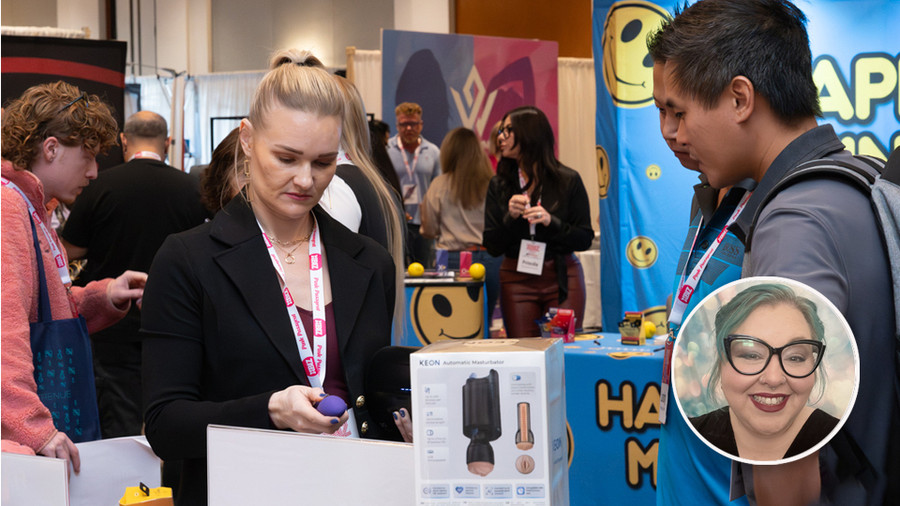
Trade shows offer something that catalogs and online browsing can’t match. Seeing, touching and discussing products in person gives you a better sense of how they might perform in your store. Combined with the numerous opportunities to network and make new discoveries, this makes trade shows busy, exciting — and often a bit overwhelming. With so much to see, tight schedules and a continuous flow of new ideas, it’s easy to get caught up in the whirlwind and thrown off balance.
Fortunately, a little preparation and planning can make the difference between a chaotic show and a productive one. Here are some tips to help make sure you get the most out of your trade show experience.
With the right strategy, the time you spend on the show floor can become one of your most valuable yearly investments in your store.
Know Your Store
One of the most valuable things you can bring to a trade show is a clear understanding of your store’s identity, needs and current challenges. Before traveling, review your sales data and inventory. Look at which categories are performing well and where you might be ready to introduce something new. Pay attention to customer requests and gaps in your assortment. This will help you zero in on offerings most relevant to your business.
Make a Clear Plan
Before traveling, create a flexible daily plan. Think of it as a road map to keep you focused while also allowing room for spontaneous discoveries.
Start by reviewing the exhibitor list and show floor map. Identify brands you absolutely need to see, vendors you already work with and companies you’re curious about exploring. You don’t need to see everything on the floor. Concentrate on the products, partners and conversations that match your store’s goals. It helps to consider practical factors such as shelf space, display opportunities and the price ranges your customers prefer. A great product works best when it fits your store and your customers’ expectations.
Having a clear buying budget is equally important. Dividing your spending plan into categories like restocking proven sellers, trying new brands and exploring emerging trends can help keep purchasing intentional.
Pack Thoughtfully
A few simple tools can make navigating the show much easier. Business cards or digital contact options help you stay connected. A notebook or note-taking app keeps important details organized. A comfortable bag, portable charger and a few photos or quick details about your store can also be useful during conversations.
Optimize Your Meetings
Meeting with manufacturers and distributors provides opportunities that go far beyond writing up orders. These companies often have a broad and valuable industry perspective. However, vendors often start building their appointment calendars weeks or even months before a show, so reaching out to your must-see reps well in advance is crucial. Four to six weeks before the show is a common timeframe to begin scheduling meetings. Planning early helps ensure you have dedicated time to discuss your store’s needs, rather than trying to catch someone during a busy moment on the floor.
Once you’re in a meeting, take the time to ask questions. What products are performing well right now? What trends are they seeing across retail? How do successful stores merchandise this category? Are there training opportunities or educational materials for staff? These conversations often provide insights that help you sell products more effectively once they arrive in your store.
After several hours on the show floor, conversations can start to blur together. Taking quick notes after each meeting can make a big difference later. Write down show specials, minimum orders, pricing details or ideas you want to explore further. If permitted, take photos of displays or products that stand out.
Leave Time to Explore
As important as it is to plan ahead, some of the best discoveries at a trade show can end up being a total surprise. Smaller brands, new manufacturers and unexpected product ideas often appear in places you weren’t planning to visit. Taking a little time to wander the floor can lead to unique finds.
Build Relationships
This remains one of the most valuable aspects of the trade show experience. Introduce yourself, share a little about your store and learn about the people behind the brands. Strong connections with reps and vendors often lead to better communication, creative collaboration and helpful support throughout the year.
Networking with fellow retailers can be just as valuable. Conversations during mixers, educational sessions or even while walking the show floor often spark new ideas. Hearing how others approach merchandising, staff training or product selection can provide useful perspectives.
Follow Up
Once the show ends and you’re back home with catalogs, notes and swag, the next phase starts. Organizing materials, reviewing notes, touching base with new contacts and sharing insights with your team will help turn the experience into real momentum for your business.
Trade shows move fast, but a bit of preparation and curiosity can make a big difference. With the right strategy, the time you spend on the show floor can become one of your most valuable yearly investments in your store.
Rin Musick is a 10-year adult retail veteran who has worked in every store position from sales associate to general manager. As a brand ambassador for Sportsheets, she brings her passion for end-user satisfaction to her mission of spreading the word about the company’s historic, current and future innovations in connecting romantic partners.