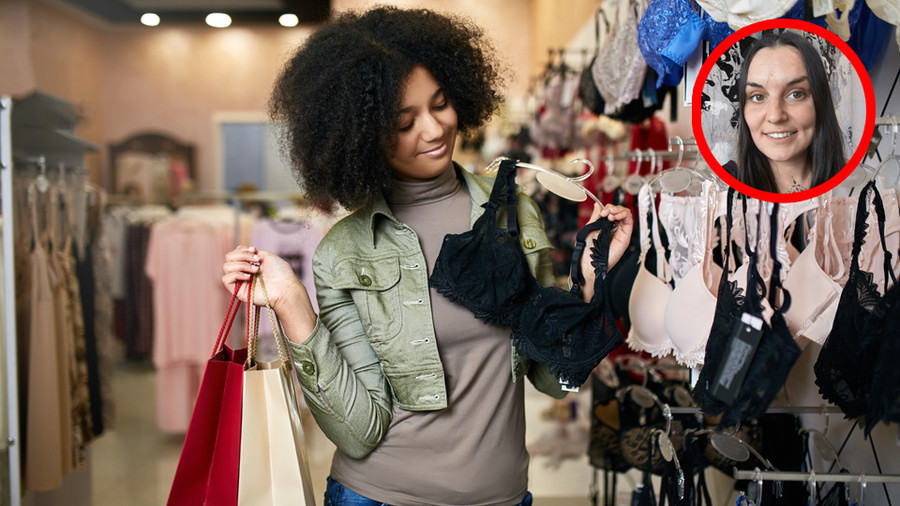
I enjoy watching someone leave a fitting room feeling confident and standing a little taller. Their shoulders are squared, there’s a spark in their eyes and they see themselves in a new light. That moment also presents one of the simplest sales opportunities on the sales floor.
In my experience, you rarely have to convince someone to want lingerie. Store policies such as no returns or exchanges may play a role, but the category typically does not work that way anyway. When customers are hesitant, it shows. If they step out of the fitting room looking uncertain, the item probably is not the right choice.
Retailers aren’t merely selling lingerie; they're guiding customers to understand how it makes them feel.
That is why retailers with fitting rooms should make sure customers, especially women, know they are available. When I mention ours, I often get a surprised response such as, “Oh wow, really?” Once customers head inside, they are already closer to making a decision because they can see themselves differently.
Guide, Don’t Pressure
One way to keep the experience moving is to suggest additional colors or styles that may flatter the customer. Warm brown, hazel and honey eyes can look especially striking with burgundy, gold and other rich hues, while blue eyes often pair well with pinks, silvers and soft purples. Green eyes can be highlighted by deep greens and jewel tones. Pastels and softer shades may complement lighter skin tones, while bold colors, neons and high-contrast styles can pop beautifully against darker skin.
The key is to keep the process simple and visually appealing. Bring a few more options into the fitting room and build excitement in a friendly, low-pressure way: “Let’s see how this looks too.”
Many customers also hesitate to make repeated trips in and out of the fitting room because they don't want to feel like they are inconveniencing staff. I respond by reassuring them that I am there all night and enjoy playing dress-up, which usually eases the tension right away.
Turning the Fitting Room Into a Sales Tool
Fit is where many customers start to feel nervous, so honesty goes a long way at this stage. A smaller chest may work especially well with certain strapless styles, while customers looking for more support may gravitate toward halter designs. The goal isn't to dictate what they should like, but to pay attention to how they respond. A smile, straighter posture or visible sense of comfort can tell you far more than a yes-or-no answer.
That is why I consistently reframe the question. Instead of asking, “Do you like it?” I ask, “How does that feel?” It completely changes the conversation by shifting the focus from whether a customer thinks they are supposed to like something to their actual experience wearing it.
Lighting can make a difference, too. Harsh overhead lights can quickly undermine confidence, while softer, warmer lighting at eye level or just above is generally more flattering. Good lighting helps customers notice the features they like rather than fixating on perceived flaws.
Silence has value as well. Not every moment requires a sales pitch. Giving customers a little space to look, adjust and take themselves in can help them relax, and when people feel comfortable, they often end up selling themselves on the purchase.
Honesty is just as important. If a style runs small or sizing varies from one brand to another, say so. Customers can tell when they are being steered in the wrong direction, and once they lose trust in the lingerie-buying experience, they may avoid the category altogether.
Perfection Isn’t the Goal. Confidence Is.
When customers leave the fitting room feeling empowered, they are more likely to stay engaged, keep browsing and explore other options. When they leave frustrated or discouraged, the opposite happens.
My approach to selling lingerie is straightforward: If it is meant to be, it will happen. If a customer is not fully convinced, I let them walk away. When they return later, that means more than simply closing a sale. It means the experience left them feeling confident enough to come back. In retail, that positive first impression is what customers remember.
Read the Person, Not the Product
I often joke that “one size fits all” really means “one size fits some.” It usually gets a laugh, but it is also true. Sizing can be inconsistent, so staff should be prepared to help customers navigate beyond what the tag says.
Whenever possible, staff can also benefit from firsthand familiarity with the products they sell. Understanding how a piece fits, feels or adjusts makes it easier to have genuine, useful conversations with customers.
Once a customer finds a piece they like, accessories can help complete the look without making the interaction feel pushy. Handcuffs with lingerie, ankle cuffs with heels and other complementary items can extend the sale naturally. For budget-conscious shoppers, lower-priced add-ons can be especially effective. Bondage tape, for example, can help create a complete look without adding much to the total purchase.
The same principle applies to sizing questions. If someone asks whether an item is a true medium and you are not sure, do not guess. Open the package when store policy allows and let them see it for themselves. Giving customers enough information to make their own decision is one of the simplest ways to build trust.
I approach lingerie sales much the same way I approach pleasure products: by starting with the person rather than the item. I ask who it is for and what their favorite color is, then build from there.
Many men shopping for partners are genuinely trying to get it right. When the situation allows, I may ask about height, body shape and general fit to help narrow the options. Those conversations require tact, and not every associate will be equally comfortable having them, but thoughtful questions can make the process much easier for the shopper.
And a special thank you goes to brands that provide detailed, accurate size charts. That kind of information makes everyone’s job easier, from the associate helping on the sales floor to the customer trying to choose with confidence.
From First Try-On to Repeat Visits
Ultimately, working on the lingerie floor is less about pushing products and more about understanding customers, being honest and knowing when to step in or give them space. Retailers are not simply selling lingerie; they are helping customers understand how a piece makes them feel.
When someone walks out of the fitting room with that glint of excitement in their eyes, the sale almost becomes secondary. What matters most is that they leave feeling confident. That is what builds trust, encourages exploration and turns a first-time shopper into someone who wants to come back.
Alexandra Bouchard is an account manager for BodispaB2B and Nobü Toys, blending sales know-how with a passion for people and the pleasure industry.