
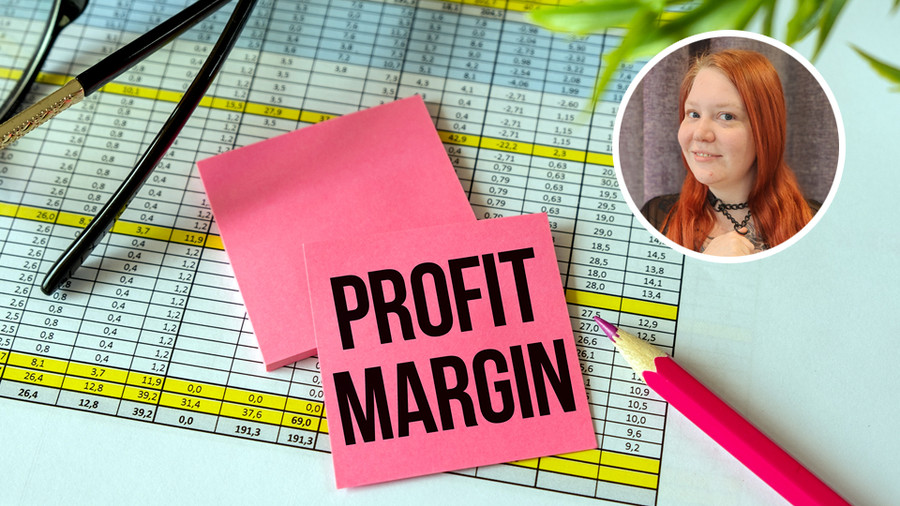
With rising manufacturing costs and living expenses, manufacturers’ suggested retail price (MSRP) no longer aligns with the actual costs of operating a business. This situation calls for a discussion about the current industry pricing landscape, potential adjustments, and how companies can make an impact.
Why MSRP Helps
A stronger pricing model starts with shared definitions and better data.
MSRP is the price a manufacturer recommends retailers charge consumers. Also called list price or recommended retail price, it gives store owners a starting point, reduces guesswork, and can help a brand maintain consistent pricing across stores, chains and ecommerce sites.
Consistency can benefit shoppers and suppliers. Customers gain a reference point for a product’s market value, while brands can limit dramatic price differences that may confuse consumers or undermine retail partners. However, a suggested price does not guarantee that every seller can earn a sustainable profit at that price.
Storefront Costs Change the Equation
Brick-and-mortar operators incur expenses that online-only sellers may not bear to the same extent, including rent, utilities, floor staff, insurance, fixtures, shrink and local compliance costs. These expenses vary by market but have generally increased. A retailer cannot evaluate an item solely by comparing wholesale cost with MSRP. The calculation must account for the total cost of selling it.
That is why precise terminology matters. Markup and gross margin are related but not interchangeable. If a retailer buys an item for $50 and sells it for $100, the markup on cost is 100%, while the gross margin is 50%. Neither figure includes overhead. Confusing the two terms can lead owners to believe a product is more profitable than it is.
Many companies and storefront owners struggle with limited financial knowledge, making it hard to identify where profits are lost. Retailers can no longer depend on the profit margins that worked 20 years ago due to rising business costs.
A storefront that needs a higher gross margin to cover service and occupancy costs may struggle to match the prices of a leaner ecommerce operation. In-store education, product demonstrations, and relationship-building can create value and long-term loyalty, but during a difficult economy, shoppers may still prioritize lower prices.
How Suppliers Can Help
Industry standards should evolve when the economics that support them change. Brands and distributors can begin by asking whether MSRP leaves enough room for different retail models to operate sustainably. They can also give retailers clearer notice of cost changes, avoid undercutting partners through direct-to-consumer promotions, and offer pricing structures that reflect volume, freight and import costs.
Retailers have responsibilities as well. Owners need to calculate gross margin by item, account for landed costs, and monitor how labor, rent, and discounts affect net profit. A product that looks strong in a simple wholesale-to-retail comparison may perform poorly after freight, duties, promotions, credit card fees and staff time are included.
That analysis should occur at the category and SKU levels. Fast-turning products can justify a different margin target than items that occupy shelf space for months. Retailers should also measure the cost of markdowns, loyalty offers and free shipping rather than treating them as invisible marketing expenses. The goal is not to raise every price. It is to understand which prices support the business and which quietly erode it.
My visit to API Expo in Shanghai deepened my understanding of product cost and development. Since then, I have worked directly with factories and brands. Comparing those costs with distributor pricing revealed significant differences. That does not mean direct sourcing is right for every store. Distributors provide consolidation, smaller order quantities, domestic inventory, credit, service and reduced importing complexity. The comparison does show why each participant should be transparent about the value added at every stage.
A More Sustainable Model
These are turbulent times for factories, brands, distributors, online sellers and brick-and-mortar retailers. Costs and tariffs shift, consumers remain cautious and businesses continue to introduce products and form partnerships. The pressure is real, but it also creates an opportunity to reconsider habits that no longer serve the full channel.
A stronger pricing model starts with shared definitions and better data. Brands should understand the cost of operating a physical store. Retailers should know the margin and net contribution for every category. Distributors should explain the services reflected in their pricing. When each side can see the economics more clearly, conversations about MSRP become less adversarial and more useful.
Regular pricing reviews can keep that conversation grounded. Retailers can bring sell-through, landed cost and promotional data to supplier meetings, while suppliers can explain production, packaging and freight pressures. That evidence creates room for practical responses, such as revised suggested prices, improved case-pack options, freight thresholds or channel-specific promotions.
Change can be uncomfortable, but the industry cannot protect independent retail by ignoring the numbers. Sustainable stores need pricing that supports knowledgeable staff, thoughtful merchandising, and the customer service that keeps shoppers coming back.
Author’s note: Tariffs were not addressed in detail because rates and policies continue to change, but they can materially affect factories, distributors and retailers.
Mersy Love is co-owner and co-founder of Bodacious Afterhours, a sexual wellness boutique specializing in independent brands, Canadian-made pieces, and niche kink and fetish items. As a certified phlebotomist and chemist currently pursuing a master's in sexual education, Mersy offers education and therapy across all areas of intimacy, disability, neurodivergence and BDSM.