One thing we’ve seen over the past couple of years is people becoming more open about sharing their mental health experiences, more conscious of what “wellness” means in their lives, and generally more self-aware about learning when to prioritize their own needs over the demands of others. From “quiet quitting” to “‘No’ is a complete sentence,” the shift toward normalizing these topics among peers and the public is one we should all embrace.
Content creators can benefit from this movement as well. One way to do that is through embodiment, and recognizing how it can impact your work.
What Is Embodiment?
“Embodiment” sounds like one of those buzzwords that everyone knows, or thinks they know but may not 100% understand. While it has a few interpretations, today we’re looking at embodiment as the way your body interacts with perception, especially when outside influences make it difficult for you to feel fully present within yourself. Think of it as the way we are in the world, something that is too often influenced by who we’ve been “allowed” to be.
We have complicated relationships with our bodies. No surprise, since we live in a world where pervasive cultural expectations “rank” our bodies, declaring some bodies more beautiful, desirable and valuable than others. As a content creator, you’ve almost certainly experienced this, whether because of something a fan said, something society has ingrained in you or as a self-imposed judgment echoing all of the above.
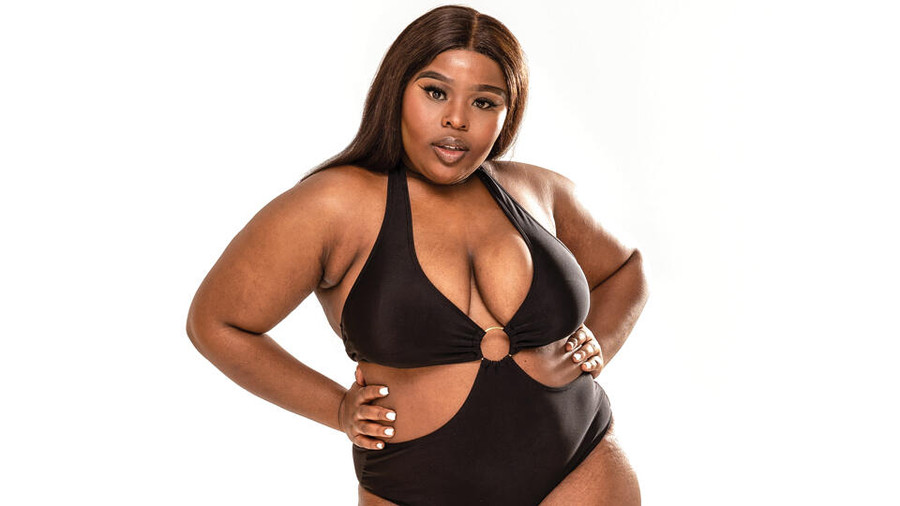
Embracing embodiment can help you let go of these toxic habits and assumptions, and create a space where you feel safe and at home in your body. In turn, this will show in your content, since as everyone knows, there is nothing sexier than a person who feels confident in their body.
Practicing Embodiment
This is easy if you’re open to it. Start by practicing awareness. Your body is really good at communicating with you; all you have to do is pay attention and learn what each cue means. It might be that nagging feeling you get worrying that you left the stove on, or waking up feeling sluggish every morning. These are signs that your body is telling you, “Something needs your attention.” You just have to figure out what it is.
The important thing is not to think of these signals as a problem to manage, but as a way of being more in touch with yourself. Responding to these signals might mean changing your plans, taking a break and resting, or going for a walk and listening to your body. Be ready to change up your routine.
Make space for all of your feelings and experiences. For instance, we all have those days where no matter how much we work out, or how great we look in our clothes, we just feel … off. We don’t feel as attractive or as strong as we really are. These feelings don’t signal that you need to lose weight or change up your look, just that you need a little more nurturing that particular day than you did the day before.
Why It Matters as a Content Creator
From a practical standpoint, when you pay attention to what your body needs, you’re better able to deliver your product. As a content creator, you have enough outside forces to contend with, be it shaming for your career choices or comparing yourself to other performers. Listen to yourself and follow the signs your body is trying to send you.
When you practice embodiment, it allows you to embrace your desires without judgment. You can be relaxed and enjoy yourself in the moment instead of needing to fake something for the fans. A real orgasm is better for everyone anyway!
Listening to your body also lets you know when it’s time to rest and recharge. This is key to keeping your content fresh! When you’re rested and refreshed, your creativity can flow and you’re able to create stronger content.
Knowing your boundaries, and honoring them, is part of this process as well. Your real fans will respect the boundaries you set and your need for bodily autonomy; they’re not going to abandon you for taking a break to reset. Even if you take a break from creating content, stay in touch with your fans and you may be surprised by how many will still support you. In fact, the best fans will take an interest in you as a person rather than just as a performer, building stronger bonds. Of course, your boundaries will establish how much of “you” they can get.
Building a schedule that gives you time to get all of your work done, while also prioritizing time to disconnect and focus on yourself, is another important step. Make the job work for you, instead of you working for the job. Figure out what schedule works best and enables you to have a healthy and sustainable work/life balance.
Take the time to explore what feels good to your body. Knowing what brings you pleasure will guide your content and make you feel empowered as a performer. When you’re working for yourself, you get to create content that is connected to you, whereas a studio job might require some disconnect since the content isn’t as personal. Staying connected with your body is what makes the magic content mix work!
When you become more connected with yourself, not just as a creator but also as you, you’ll find that life in general becomes easier — and when it does, your work will too. Your gut will tell you if you’re going in the right direction. That might mean building your brand as a content creator, simply enjoying performing for an audience, or trying something new. The key will be listening to that instinct and following it through until the end.
Megan Stokes is co-founder of NMG Management, a content distribution and management firm. As a veteran of the adult industry, she enjoys sharing the knowledge and data she has collected over time with those who seek her help.