opinion

Links and Parallels Between the Cannabis and Pleasure Products Industries

Links and Parallels Between the Cannabis and Pleasure Products Industries

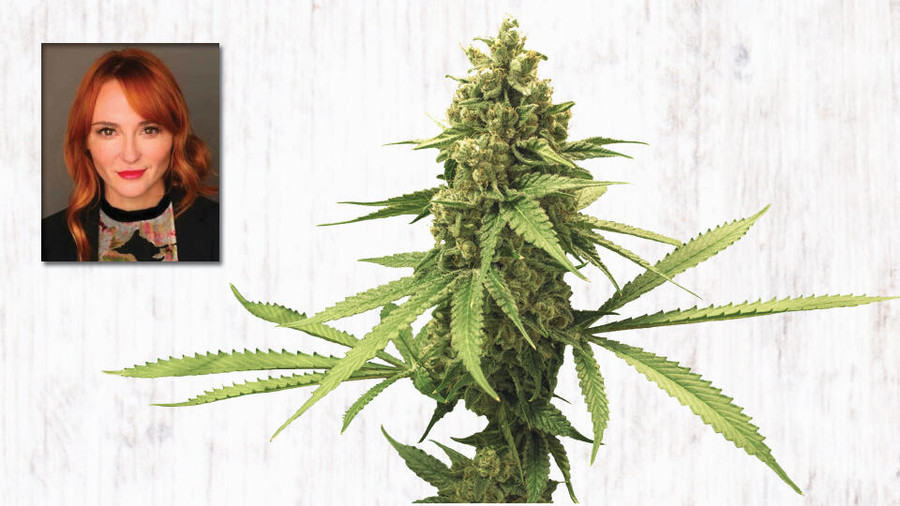
Cannabis has a long and storied history dating back thousands of years. What was originally praised for its many natural and medicinal uses has since become one of the most stigmatized drugs of the past 100 years. This has begun to change as more and more states legalize cannabis, but a cloud of disapproval still hangs over the plant.

The pleasure products industry faces a similar stigma. The undeniable parallels between the cannabis industry and products focused on sexual pleasure are hard to ignore. Just like “stashing” or hiding cannabis products in a shoe box underneath the bed, sex toys and lube are furtively tucked out of sight. Meanwhile, honest discussion of how often we may use cannabis to help anxiety can cause the same kind of awkwardness and discomfort as acknowledging that masturbation is part of our daily routines.

If conversation and information help to break that stigma, I believe in empowering that conversation, exploring the things that make us feel good and encouraging others to do the same.

It’s easy to stigmatize something that we aren’t 100% informed on. If conversation and information help to break that stigma, I believe in empowering that conversation, exploring the things that make us feel good and encouraging others to do the same.

So, how do sex and cannabis really tie together? You can’t break the stigma on cannabis until you truly understand this link. A 2017 study in The Journal of Sexual Medicine surveyed 50,000 participants and found that marijuana use led to increased sexual frequency and drive. Additionally, research conducted through a gynecology office in a study titled “The Relationship Between Marijuana Use Prior to Sex and Sexual Function in Women,” published in Sex Med, found that female cannabis users had increased sexual drive, improved ability to orgasm and decreased pain during sex. The women in this study who used cannabis were more than twice as likely to report satisfaction with their orgasms. 

Cannabis works to improve sex and increase pleasure through a variety of biological systems. The endocannabinoid system, or ECS, is made up of cannabinoid receptors called CB1 and CB2. The ECS system is active in all of us naturally and plays a role in many processes affecting almost every system in the body. THC is the main component of cannabis and is the part that gets you high. THC interacts with the ECS by binding to CB1 and CB2 receptors throughout the body, just like the natural endocannabinoids. There are cannabinoid receptors in parts of the brain that regulate the release of oxytocin, a compound that causes intense feelings of pleasure, and gonadotropin-releasing hormone, which plays multiple roles in sexual functioning. You may have heard of dopamine and serotonin, the neurotransmitters that are important feel-good substances in the brain. It is thought that activation of the CB receptors in the brain increases dopamine levels, which is the key to increasing female sexual excitement. THC delivered directly to the vagina or anus, such as in the form of a lubricant, may also increase dilation of vessels and blood circulation, leading to increased sexual excitement, heightened perception of touch and improved orgasm.

All of this ties back into the natural beauty of both cannabis and sex products designed for pleasure. Just as cannabis was originally introduced as a natural medicinal substance used in healing, pleasure is one of the natural wonders our bodies can experience. “Natural” and “stigmatized” typically don’t belong together, but they are both words used to describe cannabis and pleasure. Another commonality that cannabis and sex share is the lack of education surrounding how best to enjoy them. To fully destigmatize both cannabis and pleasure, education, understanding, empowering and encouraging conversations are a must. Before you judge consumers of cannabis products, consider the sex toy end users that are also constantly looked down upon for embracing their sexuality. Embrace the parallels between these markets — and bank on the crossover opportunities.

Katie Enright is the founder of Lavinia, the neurotransmitters that are maker of oh.hi cannabis lubricant.


Related:  

Copyright © 2026 Adnet Media. All Rights Reserved. XBIZ is a trademark of Adnet Media.
Reproduction in whole or in part in any form or medium without express written permission is prohibited.

More Articles

opinion

A Hands-On Review of AI Camera Monitoring for Retail

Last month, I outlined the main AI-powered loss prevention options available to businesses: DIY solutions, hosted services and enterprise platforms. This time, I decided to test one out myself. I contacted a cloud video platform that integrates with Lightspeed POS and scheduled a demo.

Zondre Watson ·
opinion

Turning Fantasy Fans Into New Creature Play Shoppers

Adult “creature play” is no longer just a niche novelty. There’s even a term for this kink: teratophilia, meaning sexual attraction to monsters. A heady mix of sensory novelty, curiosity about unfamiliar bodies and potential power dynamics has made lusting after and role-playing mythological creatures more widely accepted. The erotically captivating allure of otherworldly beings has even become prevalent across pop culture, from “True Blood” and “The Shape of Water” to Guillermo Del Toro’s “Frankenstein” and “monster boyfriend” romantasy literature trending on TikTok.

Naima Karp ·
trends

Signals Ahead: Pleasure Brands Track the Rapid Convergence of Tech and Intimacy

It’s complicated. As the pleasure industry enters 2026, many industry observers predict that the coming year will be shaped not by a single game-changing breakthrough or standout celebrity partnership, but rather by the slow, powerful alignment of consumer psychology, economic reality, cultural openness and shifting demographic needs.

Ariana Rodriguez ·
profile

Kyrie Hara Fuels Tenga's Growth as U.S. Sales Lead

Kyrie Hara is making significant moves. After racking up sales and general management experience during her 14-year run with Hawaiian retailer Sensually Yours, Hara has quickly embraced her role as the newest U.S. sales lead with Japanese manufacturer Tenga.

Women In Adult ·
profile

Alex Feynerol Discusses Svakom's Male-Focused Brand, Kaotik Labs

Over the past 13 years, Svakom has built its brand on sensuality and emotional intimacy, focusing on elegant design, wellness-oriented messaging and accessible pricing for vibrators and couples’ products — what the company often describes as “affordable luxury.” Recently, however, the company has had to adjust its traditional marketing tactics to fit one particular category steadily gaining prominence: male masturbators.

Jackie Backman ·
opinion

Why Midlife Men Are the Next Big Bet in Sexual Wellness

The recent shift toward supporting pleasure for perimenopausal and menopausal women — a topic once treated as taboo — has clearly been a major breakthrough for the sexual wellness industry. However, there is an equally important yet often neglected market to consider: midlife men.

Karen Bigman ·
opinion

Retailer Tips for Building Customer Trust, Loyalty

Want to increase customer traffic and deepen engagement in 2026? Then it’s time to look beyond quick wins and start building true loyalty.

Staci Cruse ·
opinion

How AI-Powered Loss Prevention Can Help Your Store

Years ago, I was deeply involved in upgrading the security camera system at a store in Hawaii. The process took several months. We provided store diagrams, mapped out camera lines of sight, waited for quotes, then coordinated with a contractor to install everything. It cost thousands — and by the time I left that position, the system still wasn’t fully operational.

Zondre Watson ·
opinion

5 Product Trends Retail Buyers Should Bet On in 2026

In 2026, expect consumers to prioritize one thing above all else: comfort.

Sunny Rodgers ·
opinion

Exploring the Shift Toward Pleasure Products Designed for All Bodies

The last few years have seen a positive change in our industry, as more brands and innovators are finally prioritizing accessibility. Whether they call it inclusive design, adaptive pleasure or accessible intimacy, the aim remains the same: Pleasure should be accessible to everyone, including people with limited mobility or physical disabilities.

Alexandra Bouchard ·
Show More