When it comes to succeeding in a competitive market, there are some key brand qualities that are incredibly important. Having high-quality products is a must, of course, as is the ability to cultivate lasting relationships with consumers. Fair pricing is also high on the list. There’s another factor, however, that can be the foundation on which a successful brand sits: its origin story.
Marketing research tells us that consumers tend to make buying decisions that are driven by their emotions, and the company history — including founders’ stories — helps build an instant emotional connection that can lead to lasting loyalty. In a world craving connection and authenticity, your brand’s story can be the key that draws people in, keeps them coming back, and inspires them to spread the word within their communities.
If you are looking to increase connection with consumers, to boost your company’s profile, or simply to tap into your inherent strength as a brand, look no further than your own backstory.
According to the Harvard Business Review, there are hundreds of “emotional motivators” that can drive consumer behavior. Among the top 10 are consumers’ desires to:
- Stand out from the crowd.
- Feel a sense of belonging.
- Succeed in life.
- Be the person they want to be.
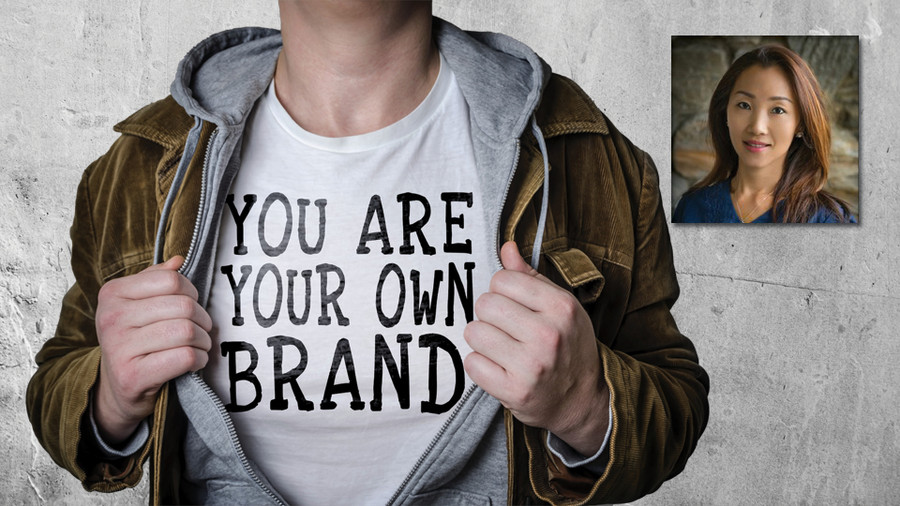
Sharing the story of the real people behind your brand — people who also longed to be seen, to succeed, to connect — can hook into these desires. This is why, at Blush, we are open about how my husband Eric Lee and I came to co-found a respected brand with longevity and endurance. Our unique origin story is one of our biggest strengths.
Eric was raised in New York’s Chinatown in the ’70s and ’80s, a time when gang violence was especially prevalent. This set Eric on a path that eventually landed him in prison, and it was while incarcerated that he completed his college degree, learned Spanish and Chinese, and taught himself everything he could about business and finance, all with a focus on self-improvement. He also learned valuable life lessons that could never be learned in school. He put these valuable skills to work once his prison time was complete, and he started a new life and career from scratch. At the age of 34, he had never seen the Internet before and the world around him was entirely new, yet Eric will tell you that going to prison was probably one of the best things that’s ever happened to him. One of his biggest takeaways was the classic, “When life gives you lemons, make lemonade!”
Eric and I have had different upbringings, but we both share a deep humility and dedication to hard work. When I was 14, I immigrated to New York City with my mother and started working right away to help support the household. I attended a local city college and majored in finance, and I saw an opportunity early on to meet and connect with people, build relationships, and build a cross-cultural business mindset. I didn’t dream of selling sex toys for a living, but when Eric and I met and fell in love, we began building a business plan that would take advantage of our unique and complementary skill-sets. During this time, I made the acquaintance of a Chinese business owner who worked in pleasure products, and Eric and I were inspired to forge a path in the market and create the company we know today as Blush.
Offering a public origin story can feel challenging, and even scary. It’s a vulnerable feeling to share personal experiences and put yourself out there, in part because we don’t want to be judged by others. But there are countless case studies that show the powerful impact of letting consumers know the “real” story behind the brands they see on shelves, because they often see themselves in what they read and hear! Marketing research has shown us that consumers often perceive a brand to have a “personality” as if it were a human, and studies show that positive emotions toward a brand play a far greater role in building customer loyalty than even trust. This means a brand’s attributes and backstory are just as important to share as quality standards and product features.
There are lots of different ways to try to harness the power of marketing to take your business to the next level, but it’s important to remember that one of your most powerful marketing tools may have been right in front of you all along. Digital marketing research has found that a well-told story can be an incredibly persuasive form of communication that also helps potential customers relate to you and your brand more deeply than they might with a competitor. Don’t be afraid to put yourself out there.
If you are looking to increase connection with consumers, to boost your company’s profile, or simply to tap into your inherent strength as a brand, look no further than your own backstory. The rich tapestry that you weave can serve as a powerful connection and a key selling point.
Verna Meng is the co-owner of Blush Novelties.