Most of us know that CBD is showing up everywhere. It populates shelves in smoke shops, vape stores, “CBD-only” shops, health food stores, independent drug stores, even national chains such as GNC, Vitamin Shoppe, Walgreens, CVS... and yes, adult stores.
CBD sales are estimated to exceed $1 billion in 2019, when considering all aspects, and is predicted by Forbes magazine to hit more than $23 billion in sales by 2028. There are now four drugs on the market that are CBD-derived and more are coming soon to a pharmacy near you. This prompts the looming question: “How do I sell it in my adult store?”
How do the successful stores thrive now? They’ve changed their model to become visual and interactive experiences with lots of variety ... the “Magical Kingdom Concept.”
Those retail stores that are not merchandising well may opt in to try CBD on their shelves, but will report weak sales. On the other hand, one of America’s largest adult store chains reports robust CBD sales with growing revenues. We’ll learn some simple ways to capitalize on easy methods used by big-name retailers so you can enjoy the same rewards.
Part of the secret is not just about CBD. Today, the most successful adult stores are changing their format, principles, mission and marketing practices. There is some serious revamping happening to spur sales. Leading adult stores are recognizing that they need to be much more than the stereotyped versions that haven’t evolved in looks or experiential since the 1970s. Many are stuck in the 2000-2015 format or are lost way, way in the past. What was is now hurting stores more than creating opportunity.
How do the successful stores thrive now? They’ve changed their model to become visual and interactive experiences with lots of variety, and these experiential models are founded on a store’s mission. I call these store experiences the “Magical Kingdom Concept.”
The concept starts by sensation — introducing clever lighting, music and smart store merchandising to create a wonderland-like experience. Buyers and merchandisers are helping to retool shelves from the top to the bottom to create a destination experience for customers. That strategy is becoming the driver of sales and is potent when we understand the “Why” psychology of consumer behavior. We get ahead of the curve when we understand buyers’ needs. Consumers in the U.S. enjoy and experience choice, assortment, and the latest in products and competitive prices. Seasonal merchandise is planned and deployed with magical genius. Dildo manufacturers have realized how important the tactile experience is and have added “rub me” areas on their packaging. MAC Cosmetics is totally tactical. You can’t experience light, scents and fleshy cock rings on a computer. They are slickly photographed, but it’s not the same. That experience is the purpose.
The next part of the Magical Kingdom Concept relies on adding a more diverse basket of goods on retail shelves. You can’t just rely on sex toys and lubricants. Bed Bath & Beyond was a master at capitalizing on the “Beyond” by selling food and OTC pharma. Best Buy, the electronics behemoth, also sells candy. Adult stores can enjoy more traffic by providing sensual candles, essential oils, gag gifts and more.
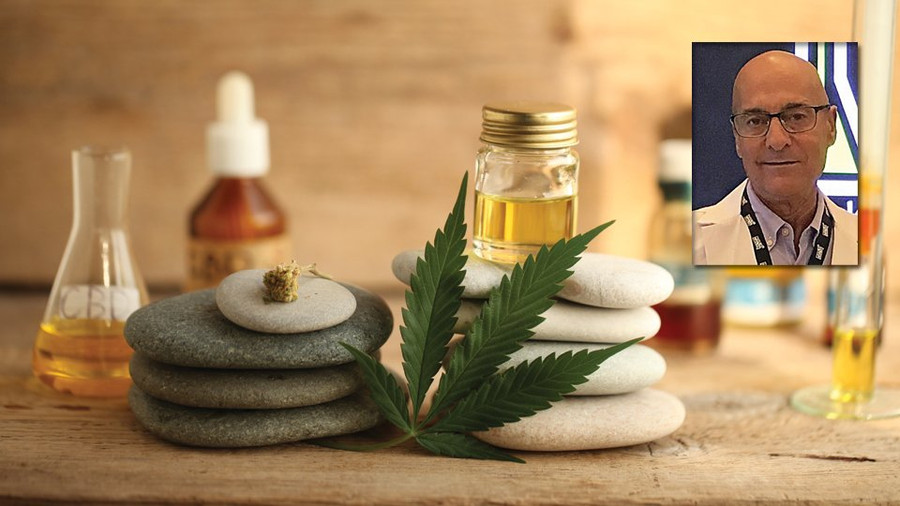
Part of that diversity of products to add to store shelves includes seizing on hugely popular CBD products. Stores will have more of that “magic” by understanding their customers’ needs. You can begin by vetting suppliers and scrutinizing their certification process. A recent study reports that out of 100 CBD brands randomly selected, 75 percent did not test for proper content. You have to be careful if three out of four brands are not quality certified CBD. This means trying to buy low-priced CBD is not the path to success. Current — and consistently current — third-party certifications should be accessible to the public and the retail buyers and resellers in seconds on a smart device.
Cheap and “novelty-looking” CBD is a bad practice if you want to build your kingdom. Knowing your customers will help you decide which format of CBD to choose. Options include the always-popular oils, along with pills, edibles, creams and more. They are engineered for specific purposes such as pain relief, sleep aids, bath and body. Many stores have had success selling CBD pet products. This proves how adult stores have morphed into so much more.
In-store merchandising of CBD has to be carefully curated. By planning proper point-of-sale signage and shelf-liner marketing, you can seize those additional sales. CBD topical creams and bath products are a great avenue to get started with. Edibles such as gummies work well if presented properly too. But as highlighted earlier, know your vendor. Not all gummy brands test for CBD content. Size matters too! Small presentations can get lost and usually prove to be ineffective. Making a small assortment look bigger works.
After ensuring key point-of-sale placement, consider staff training on the subject of CBD. This stuff requires education so the sales staff is comfortable fielding customer questions and pointing out key things about CBD so the public is served better. Point-of-sale and positioning in the store is key. One of the most important parts after picking the proper assortment for the location is training.
Learning about CBD, its possibly beneficial effects on the human body and how it works, is so important as one of the keys to successful sales and happier customers. Information is power. CBD is best known for its calming and anti-anxiety effects. That, in turn, translates into a better and healthier sexual life. Topicals can mean a sensual massage or a sexy foot rub. CBD oils can be rubbed in intimate areas and can be enjoyed for their natural and organic properties. The CBD oils can have remarkable effects with reports of great results. CBD expands the store’s assortment of products into a new profit center. Stores do well when customers can have a personal dialogue with a store sales rep, which they can’t achieve from online stores such as Amazon.
To summarize:
- Add experiences by including sound, light, tactile and smell into your store.
- Market smartly with key signage and point-of-sale merchandising.
- Diversify your store and try adding quality CBD products.
- Train your staff on CBD.
- Enjoy the boost in sales.
Join the revolution and benefit by transforming your store’s experience with the “Magical Kingdom Concept.”
Richie Harris is the CEO of Lucom USA and Dr. Jack’s CBD.