



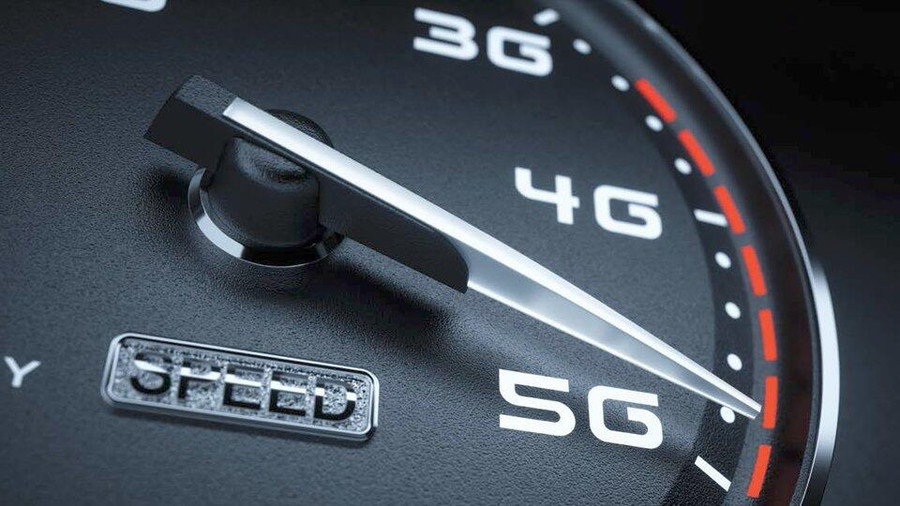
4G was launched back in 2010 and with it came app stores, video streaming, programmatic auctions and augmented reality, virtual reality and artificial intelligence became a fledgling possibility. Now 5G looms on the horizon and carriers are readying their plans to deploy it on a large scale, software is being tested and new hardware is being developed to help the global transition to 5G.
With promised super fast connectivity, very low latency and 10 gigabyte download rates per second it will be a gamechanger. In fact Verizon and Nokia recently tested outdoor 5G connection with Verizon’s millimeter-wave spectrum and it was able to reach speeds of 1.8 Gbps with a latency of around 1.5 milliseconds.
Ad content could become totally interactive and personalized in real time. Imagine a video ad that starts with the same content, but depending on the user’s interest or interaction, the ending of the video ad changes to what is relevant to them.
Many companies are already establishing partnerships with carriers to ensure they are well-positioned for 5G’s emergence. For example, esports company ESL is working with AT&T on a plan to incorporate 5G technology into live gaming and China Mobile is working with HTC to produce 5G-powered VR devices.
2019 is when the 5G transition will begin, with major adoption predicted in 2020. So marketers should begin to gear up to see how 5G will impact digital advertising 12 months from now.
Advertising
With 5G’s ability to process and exchange more data at higher speeds, advertisers and publishers will see faster ad load times on desktop, mobile and other connected devices. Currently, three quarters of app users expect apps to load within three seconds, and nearly two thirds of users will abandon an app that takes longer than five seconds to load. 5G will allow lightning-speed downloads from the cloud, access to storage and streaming from within apps, creating a more enticing environment for in-app advertising.
As consumers use more internet-connected devices, these too are set to become a big part of the online advertising ecosystem. Internet of Things (IoT) devices will be able to collect tremendously valuable user data because consumers will use and interact with them throughout the day. By harnessing this data for a deeper understanding of user behavior, advertisers will be able to implement smarter targeting and deliver more relevant and personalized content to drive conversions. More data also means more metrics available to measure conversions and gauge a campaign’s cost-effectiveness.
According to a study by the Interactive Advertising Bureau, one of the reasons behind the adoption of ad blockers is that ads slow down a website’s load times. 5G is 1,000 times faster than 4G with 100 times less latency, therefore those users may not feel the need to install ad blockers. Annoying, non-relevant ads also drive installs of ad blocking software, but 5G could change all that with better targeting for relevance and amazing ad content...
Ad Content
5G’s ability to process more data allows the use of higher-resolution ads, such as 4K video. Ad content could become totally interactive and personalized in real time. Imagine a video ad that starts with the same content, but depending on the user’s interest or interaction, the ending of the video ad changes to what is relevant to them. Another example that ties in with IoT devices could be a recipe video ad from a supermarket that knows what you have in your internet-connected fridge to push you to buy the missing ingredients for the recipe.
Ad Formats
According to SmallBizTrends, by 2019, global consumer internet video traffic will account for 80 percent of all consumer internet traffic. Video ads, in particular, are very popular with advertisers today, thanks to high conversion rates. Yet many publishers still avoid placing them on mobile, mainly because service usually is below par, with interruptions that hinder the user experience.
5G will allow mobile ads to run smoothly, enabling developers to come up with more “native” ways to incorporate these ads. And, expect to see a growth in fully immersive 360-degree video ads. 5G’s ability for processing data also means that current emerging technologies, virtual reality and augmented reality are set to become huge growth areas in entertainment as well as ad formats in their own right.
Devices
Initially, phones will be the main device used to launch 5G because most people own one and from a connectivity standpoint, they anchor our daily lives. But the 5G revolution won’t be all about mobile handsets. One of the reasons Google Glass failed was because the technology wasn’t there yet.
5G is the technology that can finally make wireless augmented and virtual reality smart glasses possible, because instead of being weighed down with components, the glasses could rely on external hardware for processing power. Apple is reportedly developing AR glasses to complement, or perhaps eventually to replace smartphones, as is Facebook.
Publisher Challenges
There is no doubt that 5G will be the popular choice of consumers, but those consumers using an older generation of handset or maybe living in rural areas where 5G might not be available, shouldn’t be forgotten about.
Publishers will have to ensure that their websites and content are adapted for 5G, 4G and 3G users alike. They will have to also provide the high quality and personalized content that a 5G consumer expects, as well as delivering content that 4G and 3G devices can handle. And this goes for the ad zones and ad formats they use also.
Just as 3G and 4G changed the world, 5G’s faster connectivity offers much more than enhanced convenience and great user experience — it opens up many brand new ways for ad networks and their clients to monetize the next generation of connective technology.
Giles Hirst is head of communication at ExoClick, an online advertising company which provides two channels for advertisers and publishers — its Ad Exchange and Ad Network.



