



opinion

The Skinny on the New DMCA Requirement

The Skinny on the New DMCA Requirement

The requirements under the Digital Millennium Copyright Act (DMCA) have changed, but the sky is not falling.

We have, even as a law firm, been hit with an unbelievable amount of spam sent out by law firms screaming that we need to run to them, immediately, to hire them to help with these changes — lest we suffer ruinous consequences.

You could find yourself liable for significant damages if you fail to comply with the new regulations.

To that we say “chill out.”

Nevertheless, you should be concerned about this. You could find yourself liable for significant damages if you fail to comply with the new regulations.

However, the new regulations are so easy to comply with, you should only need a lawyer to help you with them if you really like wasting money.

What is new?

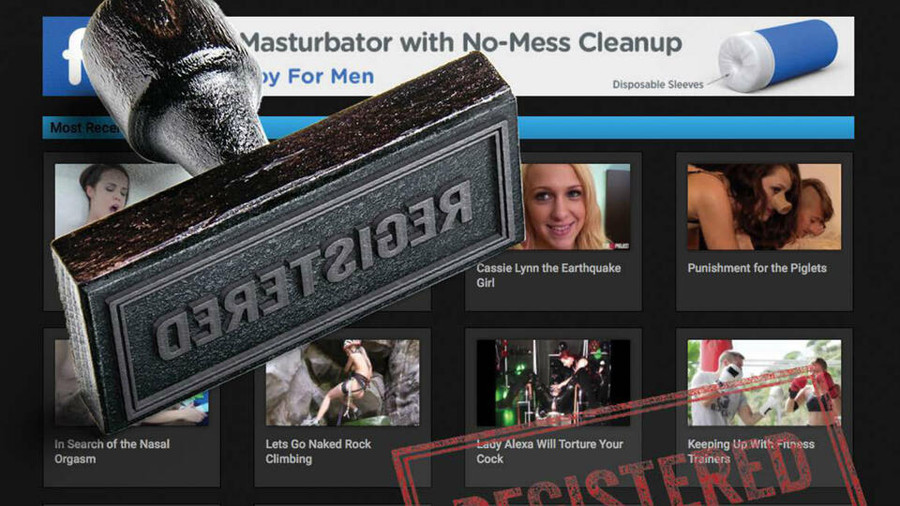
On Dec. 1, the Copyright Office did away with the old system of designated agents for the receipt of DMCA notices with a new electronic system. Even if you previously registered one, you must re-register prior to Dec. 31, 2017.

If you fail to do that, you will lose any safe harbor protection you might currently enjoy. You will also need to renew your DMCA agent every three years. There are other minor changes, such as a broader category of agents that are permitted, and the fee is only $6 for designation, amendment or renewals.

Why do you care?

The DMCA immunizes online service providers from liability for any copyright infringement committed by a third party. Therefore, if you have a website that allows user-uploaded content, you must have a DMCA agent, or you may as well not operate at all.

If you have a blog where you allow user comments, you still might want one. Even if you have a website that does not seem to fit the DMCA mold, you are foolish not to register a DMCA agent. When you consider that it is a short process and $6, why would you not want to at least create the argument that you have DMCA immunity if there is a copyright infringement claim against you?

Of course, the DMCA requires more than mere registration. If you get a DMCA notice, youwill need to take down the allegedly infringing material “expeditiously” or you stand in the shoes of the original infringer.

You can’t directly profit from the infringement, and there are other requirements as well. But, step one is making sure you have a DMCA agent. So, get on that right now!

What to do?

I would love to tell you that you should urgently run to a law firm for assistance. But, to be honest, you don’t need to. The process is very simple. If you can shop online, you can handle this yourself.

Just go to https://www.copyright.gov/dmca-directory and follow the instructions there. Those will bring you to a form, which you can find at https://bit.ly/2hGtLDf.

The form only takes a few minutes to fill out, and then you are on your way to DMCA protection.

Remember, that won’t be all you need, but it will be the first, and easiest, necessary condition for that protection.

Randazza Legal Group and its managing partner, Marc J. Randazza, have significant experience in intellectual property protection. Randazza has an international law degree in intellectual property studies.


Related:  

Copyright © 2025 Adnet Media. All Rights Reserved. XBIZ is a trademark of Adnet Media.
Reproduction in whole or in part in any form or medium without express written permission is prohibited.

More Articles

opinion

Building Sustainable Revenue Without Opt-Out Cross-Sales

Over the past year, we’ve seen growing pushback from acquirers on merchants using opt-out cross-sales — also known as negative option offers. This has been especially noticeable in the U.S. In fact, one of our acquirers now declines new merchants during onboarding if an opt-out flow is detected. Existing merchants submitting new URLs with opt-out cross-sales are being asked to remove them.

Cathy Beardsley ·
trends

How to Handle Payment Disputes Without Sacrificing Trust

You can run the best-managed and most compliant website out there, but that still doesn’t completely shield you from the risks tied to payment disputes. Buyer’s remorse, an unclear billing description or even a simple misunderstanding can lead a customer to dispute a transaction. Accumulate enough disputes, and both your reputation and revenue could be at risk.

Jonathan Corona ·
trends

WIA Profile: Taylor Moore

With a 70-person team and a growing slate of tools for content creators, the Teasy Agency has developed a reputation for putting talent first. That commitment owes a lot to co-founder Taylor Moore’s own experiences as a cam model.

Jackie Backman ·
profile

WIA Profile: Cathy Turns Creator Platform Experience Into a Model-First Playbook

As both a model and industry executive, Cathy lives in two worlds at once. “Since I do both things, I can act as the liaison between the model community and the rest of the SextPanther team,” she tells XBIZ.

Jackie Backman ·
opinion

From Compliance to Confidence: The Future of Safety in Adult Platforms

In numerous countries and U.S. states, laws now require platforms to prevent minors from accessing age-inappropriate material. But the need for safeguarding doesn’t end with age verification. Today’s online landscape also places adult companies at uniquely high risk for inadvertently facilitating exploitation, abuse or reputational harm, or of being accused of doing so.

Andy Lulham ·
opinion

What Adult Businesses Need to Know About Florida's Age Verification Law

The rise and proliferation of age verification laws has changed the landscape for the online adult industry. A recent and compelling example is the state of Florida, where Attorney General James Uthmeier has filed multiple complaints against major platforms as well as affiliates accused of violating the state’s AV law.

Corey D. Silverstein ·
opinion

Maintaining Brand Trust in the Face of Negative Press

Over the last year, several of our merchants have found themselves caught up in litigation over compliance with state age verification laws. Recently, Segpay itself was pulled into the spotlight, facing scrutiny over Florida’s AV statute, HB 3. These stories inevitably get picked up by both industry and mainstream news outlets.

Cathy Beardsley ·
opinion

How to Switch Payment Processors Without Disrupting Business

For many merchants, the idea of switching payment processors can feel pretty overwhelming. That’s understandable. After all, downtime can stall sales, recurring subscriptions can suddenly fail, or compliance gaps can put accounts at risk. Operating in a high-risk sector like the adult industry can further amplify the stress of transition.

Jonathan Corona ·
profile

WIA Profile: Katie

Katie is the ultimate girl’s girl. As community manager at Chaturbate, she answers DMs, remembers names, and shows up for creators and fellow businesswomen when it counts. She’s quick to credit the people around her, and careful to make space for others in every room she enters.

Women in Adult ·
opinion

How to Stay Legally Protected When Policies Get Outdated

The adult industry has long operated in a complex legal environment subject to rapid change. Now, a confluence of age verification laws, lawsuits, credit card processing and data privacy rules has created an urgent need for all industry participants — from major platforms to independent creators — to review and potentially overhaul their legal and operational policies.

Corey D. Silverstein ·
Show More

