
One of the most common complaints I hear from creators is: "I know I need to post more, but I never know what to post."
That problem gets even worse when you're feeding multiple platforms. You need something for X. Something for Instagram. Something for your fan site. Maybe a clip preview, an email or a promotion. And apparently TikTok would like another video before you've even finished editing the last one.
Creators often focus on their latest release while dozens, or even hundreds, of older clips sit there doing nothing. Ask AI to work those titles back into your rotation. Suddenly, your content calendar becomes an inventory-management system.
This is where AI can actually be useful. I'm not talking about asking ChatGPT to write 30 generic captions about how sexy you are. Please don't do that. Instead, treat AI like a brainstorming partner and junior marketing assistant. Give it information about your content, audience and business, then use it to turn those details into ideas and a posting schedule.
Start With What You Already Have
Before asking AI for ideas, give it something to work with. Tell it what kind of creator you are, which platforms you use, how often you want to post and what content you already have.
For example:
"I'm an adult creator who posts on X five times and Instagram three times per week. I release one new clip each week and have a back catalog of about 100 clips, mostly solo and couples content. I want to promote my paid content without every post feeling like an ad. Give me 20 types of posts I could rotate through."
Compare that with simply asking, "Give me social media ideas."
Generic information gets generic answers. Give AI context, and the results become much more useful and personalized.
Think in Content Buckets
One trick I like is asking AI to organize ideas into "content buckets," or categories you can rotate through instead of inventing 30 different posts every month. Your buckets might include new releases, older content, behind-the-scenes posts, personality posts, questions for fans, throwbacks, teasers, polls and direct sales. Now you're not staring at an empty calendar wondering what to say on Thursday, because you already know that might be your throwback day.
This is also where your back catalog becomes valuable. Creators often focus on their latest release while dozens, or even hundreds, of older clips sit there doing nothing. Ask AI to work those titles back into your rotation. Suddenly, your content calendar becomes an inventory-management system.
Give AI Your Actual Schedule
Once you have your content buckets, tell AI exactly how often you want to post.
For example:
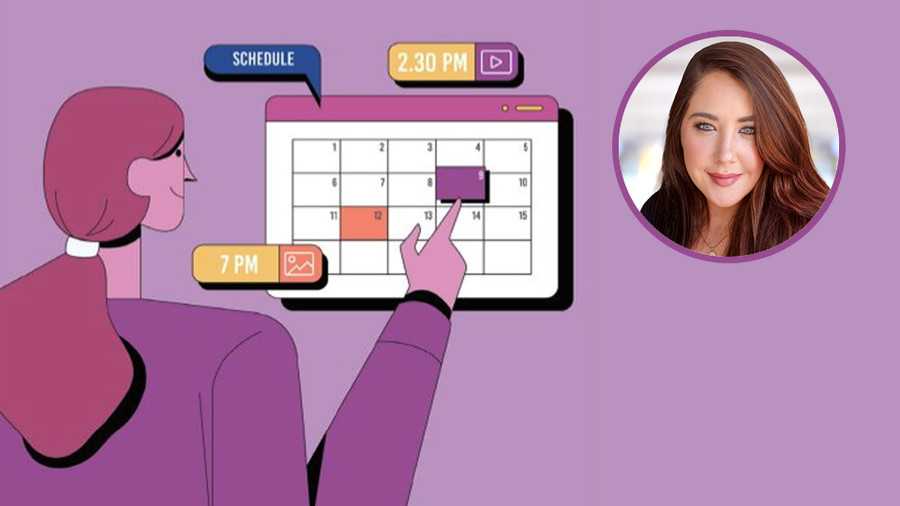
"Using these content categories, build me a four-week calendar with five X posts, three Instagram posts and two fan-site promotions per week. My new clips release every Friday, and I don't want more than two direct sales posts in a row."
Now AI has something useful to work with: constraints. Add whatever else matters, whether weekends perform particularly well or you want to promote new releases heavily for three days before moving them into your regular rotation. The goal isn't to have AI decide your marketing strategy, but to organize the strategy you already have and bring information scattered across spreadsheets, calendars and other programs into one usable place.
One Piece of Content Should Become Several Posts
This may be my favorite use. Give AI one new release and ask it to find multiple promotional angles. A single clip might generate a teaser, a behind-the-scenes post, a question for fans, a throwback comparison, a performer spotlight and a direct sales post. That's six pieces of marketing from one piece of content.
You can also ask AI to adapt the idea for different platforms. X might be conversational, Instagram might focus on a safe-for-platform image and personality, while your fan-site post can be more direct about the release.
Same content. Different jobs.
Remember, copying and pasting the same post everywhere isn't really a content strategy. Each platform has its own audience and style, so the promotion should feel like it belongs there.
Let the Calendar Become Smarter
Once you've been using your schedule for a while, add another layer: performance. Look at what actually worked. Which posts received the most engagement? Which promotions generated clicks? Which older clips started selling again after you promoted them? Then, bring those results back into the planning process.
Instead of saying, "Build next month's calendar," try: "Here's what I posted last month and how each post performed. Identify the strongest patterns and use them to recommend next month's content mix."
Now you've created a feedback loop. Instead of asking AI to fill a calendar, you're using your own results to shape what comes next. That's considerably more useful than asking a chatbot to come up with a clever caption.
AI Should Solve the Blank-Page Problem
One of AI's biggest benefits is eliminating that moment when you sit down to promote your business and have absolutely no idea where to start. Open your calendar and Monday, Tuesday and Wednesday already have a job. You still decide what gets posted, choose the photo and rewrite the caption so it sounds like you. You still react to what's happening with your fans and your business. AI simply provides the framework, takes repetitive planning off your plate and helps you avoid burnout.
That's the healthiest way to think about AI in your content strategy: Don't hand it your personality; just hand it the boring part.
Megan Stokes is co-founder of NMG Management, specializing in content distribution and management. As a veteran of the adult industry, she enjoys sharing the knowledge and data she has collected over time with those who seek her help.