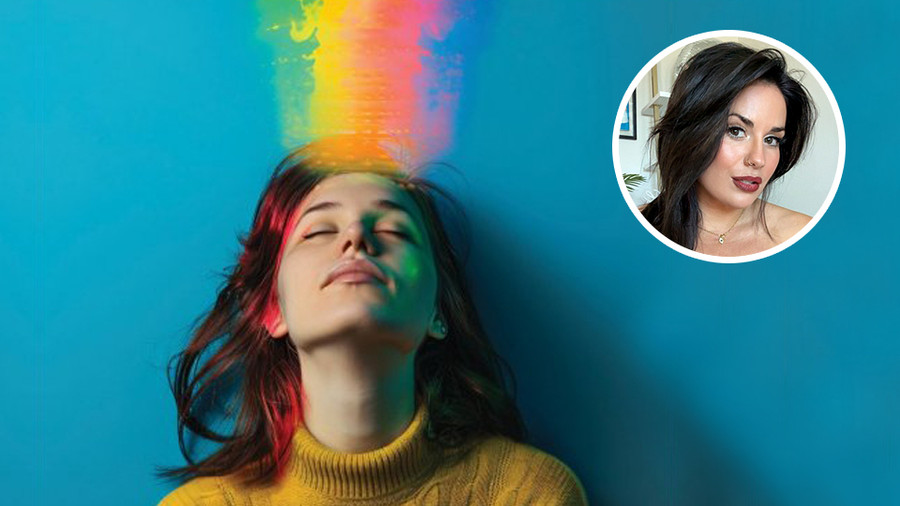
As digital creators, we're entrepreneurs juggling content production, business logistics, fan communities and the demands of everyday life. Add neurodivergence to the mix, and building a sustainable career can sometimes feel overwhelming. Yet my experience has been the opposite. After years of trying to fit into more traditional career paths, I eventually found my way into the adult industry and realized I'd finally found a place where the qualities that made me different became my greatest strengths.
Neurodivergence is an umbrella term for natural variations in how our brains function. It includes ADHD, autism, dyslexia, dyspraxia, sensory processing differences and more. While neurodivergence is distinct from mental health conditions like bipolar disorder, the two can often intersect. For me, understanding what that meant made it possible to embrace the qualities I'd once viewed as shortcomings, like being talkative, hyperfocused and a little scattered at times. Contrary to the stigma, a differently wired brain can be a powerful advantage in adult content creation and beyond.
The adult industry is a space where independence, creativity and individuality thrive. For my bipolar ADHD brain, that flexibility has been a huge relief and a path forward.
Of course, that doesn't mean sex work is without its challenges. Like anyone else who's built a full-time career as a creator, I have my ups and downs. The difference is that this industry works with my neurodivergence instead of against it because it’s a space where independence, creativity and individuality thrive. For my bipolar ADHD brain, that flexibility has been a huge relief and a path forward. I stopped feeling "broken" because I couldn't fit into traditional boxes and started to feel more confident in who I am. Along the way, I've also discovered strategies that help me thrive.
Find Your People
Many neurodivergent people struggle with friendships or loneliness. But when I stream, I'm instantly immersed in a supportive community. When I go down chat rabbit holes, my moderators remind me when someone tipped or if I forgot something. When I feel down, my fans lift me up, and we all cheer each other on. And I couldn't be more grateful for my fellow creators, many of whom are also neurodivergent. Connecting with other creators in this industry is truly lifesaving, and no one bats an eye if you're a little awkward or forgetful.
Get the Support You Deserve
Finding a therapist or doctor who understands both neurodivergence and the adult industry can make a world of difference. The right treatment — including medication, if it's right for you — can also be life-changing. If you think you might be neurodivergent, seeking a diagnosis can provide clarity and help you better understand how your brain works. If you've had a negative experience with therapy before, don't give up. Organizations like Pineapple Support offer free or low-cost therapy for adult industry professionals, with sex worker-friendly, LGBTQ+ and kink-aware clinicians.
The same philosophy applies to your business. If taxes or finances overwhelm you, hire an accountant or financial planner. There's no prize for struggling through tasks that drain your energy, so focus on the things only you can do.
Tapping Into Neurodivergent Superpowers
One of my biggest strengths is learning to work with my energy and not against it. For me, that means collaborating with other creators. The social aspect of planning shoots, streaming and creating content keeps me motivated, gives my ADHD brain a positive outlet and provides that rewarding dopamine boost when a project comes together and fans respond.
Industry events do the same thing. Connecting with friends, meeting new people and sharing ideas redirects my anxious energy into something creative and productive. But I've also learned that boundaries are just as important as momentum. When I start to feel overwhelmed, I give myself permission to step away, whether that means taking a quiet break, doing yoga or simply saying “no.” I also make time for regular mental resets. At least once a month, I unplug completely — no work, no phone, no screens – and use app blockers when I need to stay focused.
Setting Yourself Up for Success
Once I understood how my brain works, I started building routines and systems that help me stay on track. Here are a few strategies that have made a real difference:
- Set up your space before you stream. Once I'm camera-ready, I make sure everything else is too. I keep my water, snacks, toys, chat settings and tip menu ready to go so I can stay focused once I'm live.
- Use music to your advantage. Soft background music helps minimize distractions, keeps me in the right headspace and gives me something fun to share with fans.
- Stick to a schedule. I put everything in my calendar — streams, meetings, appointments, and deadlines — and set reminders well in advance so I have time to mentally prepare.
- Check in with yourself. If you're having more bad days than good, don't be afraid to reassess. Our needs change over time, and adjusting your routine or treatment plan is part of taking care of yourself.
- Realize you are only human. Even with my super diligent calendar alarm system, I once missed a call because I got distracted while packing for a trip. I was mortified, but both my partner and creator colleagues reassured me: stuff happens. When it invariably happens to you, don't waste energy making yourself feel worse. Take a breath, vent to a friend, laugh it off — then keep going.
Let me leave you with one thing I wish I'd learned sooner: give yourself more grace. It's easy to measure yourself against an endless to-do list or feel frustrated when your brain doesn't work the way you think it "should," but beating yourself up won't make you more productive.
Maybe "we're all mad here" in our own unique ways. But on the other side of the looking glass, we're creators building thriving businesses, supporting one another and finding success by embracing who we are.
Abby Rose is a digital entrepreneur and business owner. In addition to her creative work on cam, she is deeply committed to mental health advocacy and is currently at work on a book.