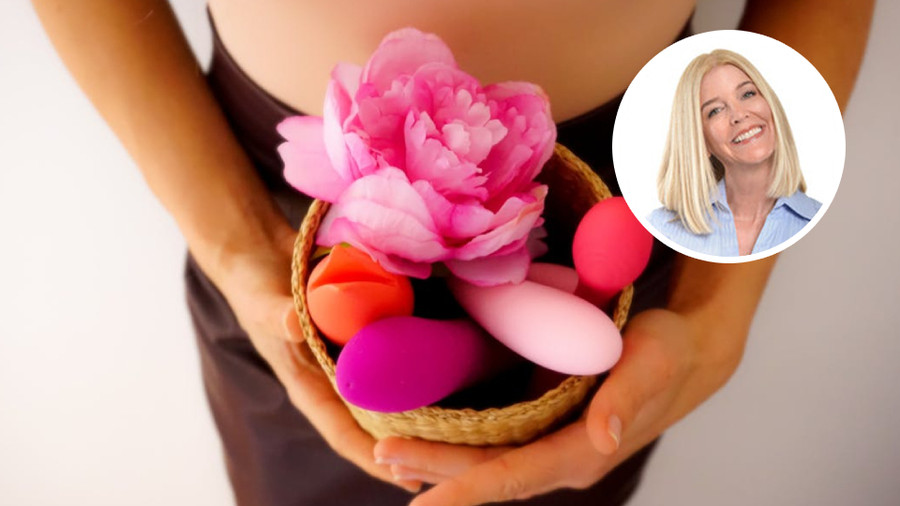
In 2026, expect consumers to prioritize one thing above all else: comfort.
Comfort is the new standard for wellness — not just a luxury, but a necessity. It is fast becoming one of the main factors influencing buying decisions in nearly every adult retail category. From product textures to user experience, consumers are choosing soothing over shocking, ease over ego, grounding over gimmicks.
Merchandise warming products, soft wands and self-care tools together, for customers seeking both stimulation and serenity.
For retailers, this is an opportunity to prioritize products that feel familiar, cozy, ergonomic and emotionally safe. Here are five key comfort-first trends buyers should embrace in the new year.
1. The Rise of Cozy Commerce
“Cozy commerce” is the emotional design shift that’s quietly taking over retail across the country. Where pleasure products once favored bold colors and aggressive shapes, 2026’s bestsellers are instead trending toward soft-touch finishes, cloudlike silicone, neutral color palettes and packaging featuring warm neutrals and home décor-inspired tones, matte finishes instead of high gloss, and products that look more like wellness tools than toys, many with smaller, palm-fit silhouettes.
Why? Because comfort equals trust. Consumers — especially women and younger first-time buyers — are leaning toward products that integrate into their lifestyle rather than stand out from it. When something appears approachable, people feel more comfortable exploring it. This sense of ease results in more confident purchasing, fewer returns and improved overall experiences.
Retail takeaway: Set up a “Cozy Corner” or “Soft-Touch Picks” display. Curate products with calming colors, ergonomic textures and quiet energy. You’ll see immediate foot-traffic engagement.
2. Sensual Simplicity: Minimalism Wins
Today’s consumers aren’t looking for 17 different functions. They want the one that fits best. “Sensual simplicity” is the next chapter of the minimalist movement. This trend emphasizes simple controls, thoughtfully simplified function sets, clear benefit-focused labeling and essential features that are simple and straightforward.
Products that embrace simplicity offer greater perceived value because shoppers clearly understand what they’re buying — and they trust what they can comprehend. Younger consumers, in particular, are rejecting overly complex devices. They prefer pleasure tools that feel intuitive, relaxed and ready to use right away without needing to study an instruction manual.
Retail takeaway: Merchandise simple, beginner-friendly products placed at eye level. Train staff to emphasize ease over complexity, using phrases like “simple to use,” “gentle learning curve” and “comfort-first design.” These micro-messaging changes strongly connect with today’s buyers.
3. Natural, Clean and Conscious Materials
Consumers in 2026 are more ingredient-aware than ever. Whether it’s lubricants, body care or intimate enhancers, comfort-driven customers want products they can trust without second-guessing. They’re looking for:
- Natural or naturally-inspired formulas.
- Cleaner labels with fewer ingredients.
- Hypoallergenic and fragrance-free options.
- Moisturizing and nourishing additives like aloe, oatmeal and plant oils.
- pH-balanced products for vaginal wellness.
This is especially true for lubricants, a category where clean comfort is becoming essential.
Comfort in formulas is no longer about trends; it’s about safety, durability and supporting the body rather than overwhelming it.
Retail takeaway: Stock multiple tiers of natural or hybrid-natural lubricants. Merchandise them alongside soft-stimulation toys and beginner tools for a complete comfort-first experience.
4. Ergonomic Everything: Design That Loves the Body Back
“Ergonomic” used to be just a buzzword. By 2026, it has become a key factor in purchasing decisions. Consumers want products designed with real human anatomy in mind, so that they fit smaller hands, work within a natural range of motion, offer more comfortable grips and flexible positioning options, and reduce wrist strain.
Ergonomic innovation is particularly prominent in:
- Internal vibrators that adapt to posture and body angles.
- Suction products featuring smoother curves.
- Wands designed for lightweight handling.
- Couples products that adjust without forcing positions.
Human-centered design is replacing one-size-fits-all models. When a product is comfortable to hold, customers are more likely to use it frequently — and come back to your store for their next upgrade.
Retail takeaway: Create a tactile display where customers can hold ergonomic toys. Pair signage with phrases like “designed for relaxed pleasure,” “comfortable from the first touch” and “made for your body.”
5. Emotional Comfort: Soft Wellness Meets Pleasure
The top “macro” trend across consumer industries right now? Emotional regulation. In our industry, that means that shoppers are seeking pleasure products not only for stimulation but also for grounding, stress relief, relaxation and nervous system support.
That’s why retailers have been noticing growing interest in:
- Warm-up tools like massage wands and masturbators.
- Products featuring vibration patterns inspired by breath work.
- Quiet motors.
- LED “calm glow” designs.
- Ritual-style kits and bundles.
- Journaling, aftercare creams and sensory accessories.
Comfort encompasses mood and mental wellness, so products that foster emotional ease are gaining popularity quickly.
Retail takeaway: Create a “Comfort & Calm” section. Merchandise warming products, soft wands and self-care tools together, for customers seeking both stimulation and serenity.
The bottom line is simple: Comfort builds trust, reduces intimidation, enhances the first-time buyer experience and boosts repeat purchases. In other words, comfort sells. When your shelves showcase a softer, more calming, more ergonomic, and emotionally-aware product selection, your customers take notice. They relax. They explore. They buy. Retailers who grasp this change will lead the industry into a more intuitive, connected and comfort-aware future.
Sunny Rodgers has over two decades of experience in the media and marketing world, and is the founder of Sunsplash Media Group, specializing in brand development, strategic marketing and creative content solutions. Find her at SunsplashMediaGroup.com.