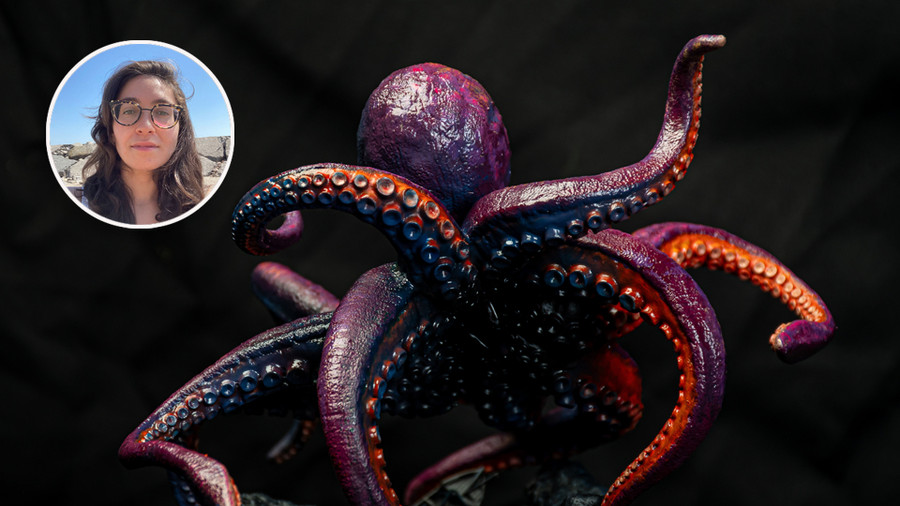
Adult “creature play” is no longer just a niche novelty. There’s even a term for this kink: teratophilia, meaning sexual attraction to monsters. A heady mix of sensory novelty, curiosity about unfamiliar bodies and potential power dynamics has made lusting after and role-playing mythological creatures more widely accepted. The erotically captivating allure of otherworldly beings has even become prevalent across pop culture, from “True Blood” and “The Shape of Water” to Guillermo Del Toro’s “Frankenstein” and “monster boyfriend” romantasy literature trending on TikTok.
This reframing of monsters as lovers instead of villains presents a wealth of opportunity. Let’s dig into how people are incorporating creature play into their bedroom routines, and how brands and retailers can tap into that creativity — and turn creature play into a revenue generator for years to come.
By engaging with likely shoppers via streaming content, book launches, fan events, online and gaming communities, brands and retailers can access an existing identity landscape where people have already embraced their fantasy personas and are looking for tools to help express them.
Fan Service: Venturing Where Creatures Dwell
This imaginative blend of identity play and fandom culture has jump-started the market for items like creature-inspired dildos, vibrators, masks and butt-plug tails. For its aficionados, however, creature play is about more than just buying a toy; they’re investing in ongoing role-play scenarios, evolving scenes and transformative personas that develop over the years. Like pet play, creature play sits at the crossroads of kink and cosplay — but it also incorporates fandom elements like world-building into adult role-play. Popular romantasy and monster romance authors and worlds have dedicated followers seeking spicy ways to explore their fantasies in real life. That makes it a no-brainer to target key demographics like sci-fi and comic book enthusiasts.
In addition to expanding inventory in fantasy-related categories, brands and retailers can craft creature/fantasy-themed landing pages and run campaigns that feature popular cosplayers who have an erotic aesthetic and even their own OnlyFans pages, writing guest blog posts or conducting social media takeovers. Strategic partnerships with romantasy and graphic novel creators in touch with fandom culture can also help you reach one of creature play’s prime demographics: loyal fans passionate about the authors, series and shows they follow. Brands can collaborate with aligned creators through tiered offers like cosplay kit collaborations, co-created bundles, social media giveaways and contests. In the era of drop culture, launching limited-edition fantasy collections and creature-play products can further whip up excitement.
While there are many digital opportunities in this space, IRL events shouldn’t be overlooked either. Conventions and comic-cons are key hubs for fans of creature play. While most conventions won’t allow adult brands to sell on the show floor, they can still take advantage of such events by building partnerships, creating fan-generated content and organizing off-site retail activations. For example, brands can collaborate with local retailers to host an 18+ after-hours shopping event near the convention, or an off-site creator meet-up featuring toy goodie bags, coupon codes and dark romantasy themes.
By engaging with likely shoppers via streaming content, book launches, fan events, online and gaming communities, brands and retailers can access an existing identity landscape where people have already embraced their fantasy personas and are looking for tools to help express them. This is especially important for brands aiming to connect with younger adults, who tend to be more driven by emotions in their purchasing decisions. Connecting through their passions and cosplay alter egos can therefore be an effective way to build genuine relationships.
Merchandising for Monsters
Whether in brick-and-mortar stores or online, organizing merchandise according to fantasy archetypes rather than just by traditional product categories can be a smart way to draw in likely shoppers in the genre. For example, a “vampire” section might feature temperature-play products, silky restraints and bite-play accessories, such as a Wartenberg wheel that mimics the sensation of a bite for someone who is blindfolded. An alien fantasy section could include tentacle or texture-rich toys, ovipositor dildos and other nonrealistic shapes.
Individual products can be bundled with a single hero product and accessory add-ons, as well as a mini “scene starter” card that helps shoppers learn how to use them. This is helpful to both experienced fantasy kinksters and those beginners who might be interested in exploring creature play but aren’t sure where to start. Paired with blog posts, landing pages and product descriptions that take creature play seriously, rather than reducing it to a wink-and-nudge joke, this approach will help earn you repeat customers.
Storytelling remains a powerful sales tool, and fantasy archetypes are helping brands and retailers tap into that creativity more than ever. With more and more pop culture fans making the leap to exploring fantasy alter egos in the bedroom, brands and retailers that embrace the creature-play boom and teratophilia kink can leverage unique collaborations, drops and shoppable activations. Those that merely include a tentacle toy or two in their catalog will miss out on a trend that is custom-built to inspire community engagement and consumer loyalty.
Naima Karp is a content writer and Little Leaf PR executive with over a decade of experience crafting lifestyle, sexual health and wellness content for various platforms.