
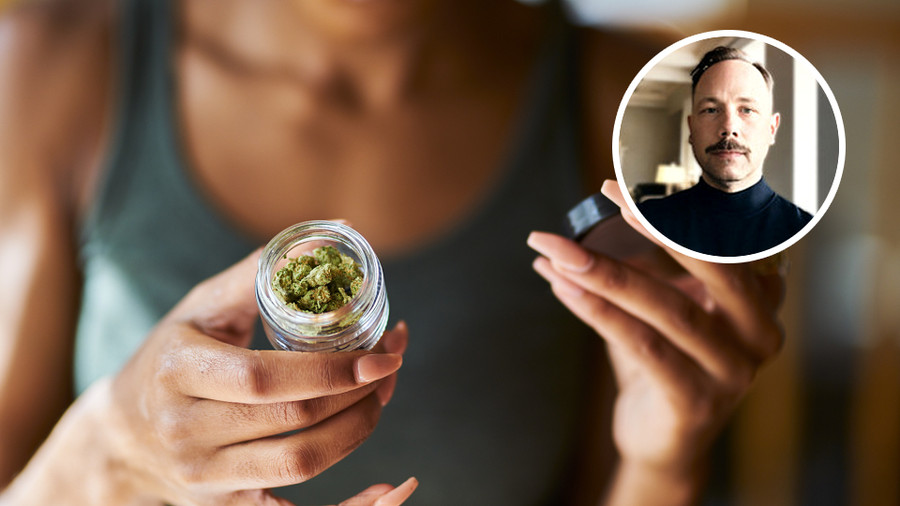
April is a month of celebration: Lovers Day, Earth Day… and 4/20. Once a subculture symbol, “420” has evolved into a movement that bridges cannabis advocacy, wellness and an increasingly vital discussion around sexual health and pleasure. Cannabis is no longer just a recreational indulgence; it’s redefining intimacy, connection and the way consumers approach their holistic well-being. Let’s examine how this movement is overlapping with and impacting the world of sexual wellness and the pleasure industry.
420 and Pleasure: The Sensory Revolution
This 4/20, let’s move beyond the smoke and into a new era: one where cannabis isn’t just about indulgence, but about connection, wellness and the full embrace of pleasure.
For centuries, cannabis has been known to relax the body and heighten sensory perception. But today, the conversation goes deeper. Science and consumer experiences are proving that cannabinoids like THC and CBD can significantly enhance sexual pleasure. Cannabis can increase blood flow, amplify touch sensitivity, ease performance anxiety and even intensify orgasms, aligning seamlessly with the pleasure industry’s focus on wellness.
Consumers are demanding more than just stand-alone products; they are searching for curated experiences that merge cannabis and intimacy. The response has been an explosion of product innovation, with CBD-infused lubricants promoting relaxation and reducing discomfort, while THC-based arousal oils are designed to heighten sensation. Multisensory experiences that blend pleasure, relaxation and connection are at the forefront of this movement.
Even for those in regions where cannabis remains illegal, or for individuals who choose not to partake, the philosophy of 420 — embracing relaxation, mindfulness and heightened pleasure — can still be incorporated into mindful pleasure practices. Sensory play, breathwork, plant-based aphrodisiacs and pleasure-centric relaxation techniques can foster a deeper connection with partners and oneself.
Retail: The Industry’s Next Big Opportunity
The retail landscape is shifting as more consumers look to explore the role of cannabis in pleasure. With CBD-based pleasure enhancers already well integrated into mainstream markets, the next challenge is how to handle the growing demand for THC-infused products. Legalization remains inconsistent across different states and countries, creating a fragmented marketplace. However, one thing is clear: retailers who embrace education and adaptation will be at the forefront of this shift.
Some stores are already seeing success by introducing cannabis intimacy workshops that explore the safe and consensual integration of cannabis into pleasure routines. Others are curating 420-friendly product assortments, offering sensory experiences that allow customers to explore pleasure products in new and engaging ways.
For retailers in regions where cannabis remains prohibited, alternative solutions such as CBD-only products, botanical-based intimacy enhancers and stress reduction workshops offer the opportunity to bring the benefits of 420-adjacent wellness into their spaces without legal barriers.
Manufacturing: Where Innovation Meets Compliance
For manufacturers, the intersection of cannabis and sexual wellness presents both immense opportunity and complex challenges. Unlike CBD products, THC-based intimacy enhancers are subject to heavy regulation, requiring brands to navigate compliance, labeling and marketing restrictions while continuing to innovate.
New product developments are pushing boundaries in the industry. Cannabinoid-infused arousal oils stimulate nerve endings and boost pleasure response. Edibles formulated for intimacy have also gained traction, allowing couples to explore heightened connection through carefully dosed experiences.
Even in markets where THC remains restricted, manufacturers are meeting demand by formulating botanical alternatives using aphrodisiacs such as maca root, damiana and ginseng. These alternatives provide a path to sensory-enhancing pleasure without relying on cannabis, ensuring accessibility across different consumer demographics and legal landscapes.
As demand grows, brands must prioritize transparency, rigorous testing and responsible marketing practices to maintain credibility and consumer trust. This is a pivotal moment where ethical innovation will define the next evolution of cannabis-infused pleasure.
Cannabis, Mental Health and Intimacy: A Holistic Wellness Approach
Beyond physical pleasure, cannabis is increasingly recognized for its role in mental health, one of the biggest influences on sexual well-being. Anxiety, stress and societal pressures can all act as barriers to intimacy, and cannabis has been shown to reduce anxiety, promote relaxation and enhance emotional connection between partners.
For individuals experiencing pain-related sexual discomfort, whether from conditions like endometriosis, vaginismus or pelvic floor tension, cannabis-infused products offer a promising alternative to traditional pain relief solutions. These products allow for greater comfort and enjoyment, enabling people to reclaim pleasure as an integral part of their overall wellness.
For those who choose not to consume cannabis, similar benefits can be achieved through guided intimacy exercises, pleasure mapping and breathwork techniques. These practices contribute to a more relaxed and fulfilling intimate experience, underscoring the fact that 420 is not just about cannabis; it’s about prioritizing personal pleasure and well-being.
420 Events, Team Training and In-Store Experiences
Brands and retailers paying attention to these trends will recognize the value of immersive, education-driven experiences that invite consumers to explore the intersection of cannabis and pleasure firsthand. Events and team training opportunities are a crucial part of reaching those consumers. some examples:
- Guided product demonstrations allow customers to engage their senses and better understand how non-THC sensory enhancers like warming oils, CBD lubricants and aromatic aphrodisiacs work.
- Expert-led discussions on cannabis and intimacy, with a focus on legality and safety, can help normalize these conversations.
- Staff training ensures well-informed, consent-driven conversations around 420-friendly pleasure.
- Workshops can help customers explore ways to enhance their pleasure experiences, through both cannabis and alternative means.
This is not just about selling products. It’s about cultivating curiosity, fostering inclusivity and providing consumers with the knowledge they need to make informed choices about their pleasure and well-being.
The Future of 420 in Sexual Wellness
The relationship between cannabis and intimacy is no longer a niche conversation; it’s a growing movement that is redefining what it means to experience pleasure. As legalization expands and consumer interest grows, brands and retailers must keep pace with innovation, responsible marketing and education-driven engagement. There is an opportunity to drive change, not just by offering products, but by leading conversations and shaping the future of cannabis-infused intimacy.
How will we, as an industry, step up and take charge of this evolution? To create a future where cannabis and sexual wellness thrive together, retailers, manufacturers and industry leaders must commit to fostering education, responsible innovation and accessibility. For those in areas where cannabis remains restricted, embracing the spirit of relaxation, mindfulness and sensory enhancement through plant-based alternatives, pleasure-focused self-care and education-driven experiences ensures that no one is left behind.
This 4/20, let’s move beyond the smoke and into a new era: one where cannabis isn’t just about indulgence, but about connection, wellness and the full embrace of pleasure. The opportunity is here. The path is clear. The only question left is: Who’s ready to lead?
Ian Kulp is Blush’s director of marketing and a passionate advocate for inclusivity in sexual health and wellness.