A new stage of the digital age is here. The past 12 months have made it clear that we must be prepared to meet our customers in virtual spaces. The ways that we have all come to expect digital engagement over the last year will have a lasting impact long after the pandemic is over. Video content is one of the essential tools for any business looking to reach new customers, engage their loyal followers or create a thriving online presence. Video content is a way to reach people around the world. It is also an excellent tool for driving sales, training, introducing people to the world of pleasure products or resources, creating fun, engaging interactions with your brand, or telling your brand story. For a lot of businesses, video production is not yet integrated into workflow or operations; but you don’t need a recording studio and film quality equipment to get started. Here are some tips for overcoming common hurdles relating to content development and technical capacity.
Let’s start with identifying what kind of content to turn into videos. Your marketing team is likely well-versed in what differentiates your brand in the market. Start there. Is it a unique product offering or an incredibly diverse selection? Do you offer unrivaled convenience, quality or pricing? Whatever sets your brand apart, make sure that is the focal point of your messaging to start. And then? Keep it simple!
Video is an excellent tool for driving sales, training, introducing people to the world of pleasure products or resources.
Keep It Simple and Focused
Effective videos tell a story, but think of it like an elevator pitch rather than a cinematic journey. Your brand story may involve many twists and turns and unique challenges, but you will lose your audience if your message is long-winded or complicated. It can be helpful to distill your messaging down to one or two key points or break it out into multiple videos with each highlighting a different point or aspect of your message. The process of scripting or outlining the information you want to cover and then paring it down to two or three sentences can be really helpful. You want to try to distill the important information you really want to convey and create focused content. If there are points or themes that are left out when you condense the information in this way – great! You have content for another video.
Short and Sweet
In addition to keeping the information in your videos focused, you also want to be mindful of viewers’ attention span. Current statistics show that on social media people watch on average the first 27 seconds of every video. Social media has impacted our attention span. If you peruse an average YouTube channel, videos are often only a few minutes long with complicated topics being broken into playlists so that information stays punchy and digestible. If you cannot condense your message into 30 seconds, don’t fret. A compelling hook in the first 30 seconds will ensure that viewers stay tuned. A couple questions to answer in the first 30 seconds to help gain viewers’ attention … “What will the viewer learn?” “What sets your offering (product, service, resource, etc) apart?” “How will this information benefit the viewer?” For instance, a strong hook can be something like “If you’re like me and don’t have a huge budget or time to invest in your self-care, then you have to check out…”
Once you’ve got your viewers’ attention, apply the same principle you used to create a focused theme for the video. Make sure that your points are delivered as directly and succinctly as possible. Having cue cards with a few keywords for each point you want to highlight can be a helpful way to keep you or your presenter on track. Being clear about the points you want to cover, what your “call to action” is, and how you want to wrap up your video will keep you on track and ensure that your delivery is short and sweet – just like viewers have come to expect.
Have Fun!
One of the most engaging approaches (to creating any kind of content) is to present topics that you are most passionate about. If viewers can relate to you or perceive your excitement, they are much more likely to engage with your content. The process of simplifying information and preparing your content in the most focused way possible is an important preparation step for creating polished videos. When it comes time to shoot a video – have fun with it and approach it as a unique opportunity to connect with your audience. If you are not in the space to play, have fun, and connect with the camera then it’s likely that it will show through in the video. It takes a very experienced presenter to work through tightness or frustration on camera. Sometimes it is much more effective to shoot a video when inspiration strikes and you’re in the mood to be “on” than it is to force yourself through prepared material when it doesn’t feel right. An equation for success with creating video content is going into it with a strong understanding of the message you want to deliver, preparing simple and focused talking points, and then letting go of the prep and letting your authentic enthusiasm for the material show through.
Production Standards Don’t Matter as Much as You Think
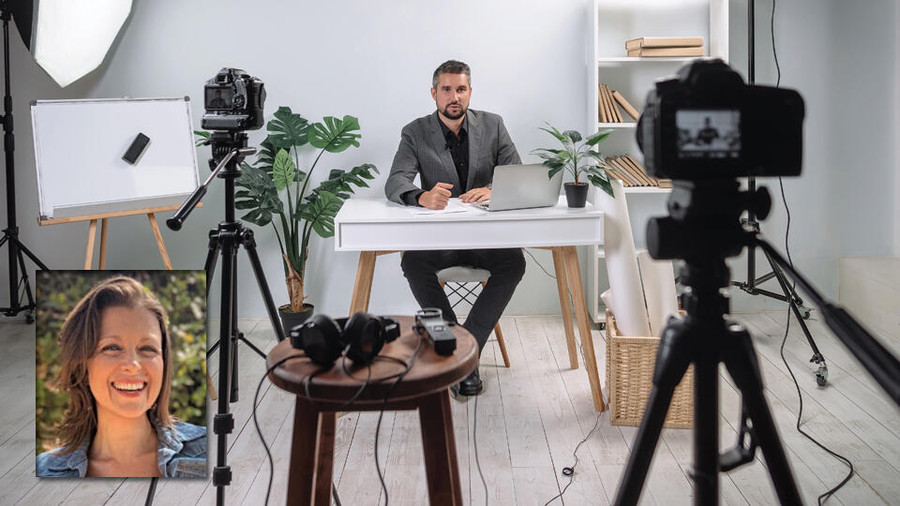
High-quality, studio-produced video content will only get you so far. Yes, if you are delivering your own branded video platform that you want to reflect your brand’s innovative approach, then low production standards will not reflect well on your brand. However, if you are aiming to connect with brand lovers, build appreciation for your unique offering or introduce pleasure concepts to a mainstream audience, the messaging and the presenter’s ability to authentically convey your message are much more important than the lighting, editing and graphics. For instance, a standard video conferencing camera or a high-quality phone camera (as long as it is not set on selfie mode), and a simple background are all you need to get started. The prevalence of digital content also has given rise to online resources with copious tips on how to create your own video content from your home or office. Starting out with strong messaging and low investment in your equipment gives you the opportunity to test content and see what your audience most responds to. This approach allows you to grow and build your video archive over time and in an informed way.
Whether you’re looking to develop useful training tools or effective customer engagement resources, video content is an important skillset to have in your marketing toolbox. With these simple guidelines, anyone can create fun, engaging and effective videos!
Sarah Tomchesson (formerly head of business operations at national retail chain Pleasure Chest) started Damiana Consulting, a pleasure-driven small business consultancy and production company, to support organizations by increasing capacity, improving communication, strengthening leadership and streamlining workflow.