



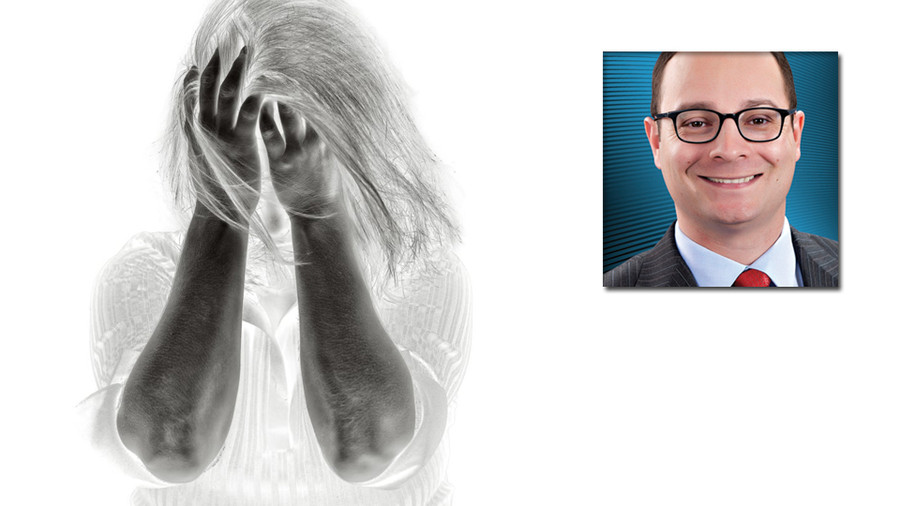
The unprecedented COVID-19 pandemic resulted in a worldwide stay-at-home effort, which forced many adult industry employees, talent and content creators — as well as their partners and family members — to work in closer quarters than ever. Governments at the federal, state, provincial and local levels all issued restrictions on individuals’ ability to leave their residences. And long before COVID-19, global cases of reported domestic abuse were on the rise, which is why one of the many unintended consequences of stay-at-home directives was an alarming increase in this trend.
For example, since early March, the Chicago Police Department has seen a 13% increase in domestic violence related calls. The Chicago Police Department also reported that during the month of April and the first two weeks of May, there were three murders and 78 shootings linked to domestic violence. Unfortunately, domestic abuse is notoriously difficult to track, because historically, only about 50 percent of domestic abuse victims ever seek assistance from law enforcement.
Domestic abusers are notorious for acting apologetic and remorseful after an abusive event and may even be able to refrain from abusive behavior for some period of time.
In many cases of domestic abuse, the victim is often unable or too scared to seek help, because the victim cannot escape their abuser. COVID-19 stay-at-home orders substantially compounded this problem when both abusers and victims were now unable to leave their homes. And domestic abuse, whether physical or psychological, is intolerable. Nobody has the right to emotionally or physically harm another individual.
If you are a victim of domestic abuse, know or suspect that someone you know is a victim of domestic abuse, then please continue reading this article or share it.
Domestic abuse is commonly mischaracterized as only abuse involving a married couple or individuals engaged in some type of romantic relationship. In actuality, domestic abuse often occurs between family members (father, mother, child, parent, grandparent, etc.), roommates, housekeepers and more.
Getting help as a victim of domestic abuse is not simple, especially when an abuser is physically restraining a victim, or a victim is too scared, embarrassed or psychologically harmed by the abuser to reach out for help. However, if you are the victim of domestic abuse, then I encourage you to pursue one or all of the following options to involve law enforcement. Equally important, if you know someone that is a victim of domestic abuse, then please pursue one or all of the following options on behalf of the victim.
Dial 911
If you are a victim of domestic abuse and have the ability to dial 911 to get immediate law enforcement assistance, this should always be your first option.
Go to a Police Department, Fire Department or Hospital
In many instances, a victim of domestic abuse is unable to “dial 911,” because their abuser has intentionally taken away the victim’s phone or computer. In this instance, if you are a victim and don’t have access to a phone but are able to physically get away from your abuser, then go to the closest Police Department, Fire Department or Hospital.
Contact Someone or go to Someone Safe
Often, victims of domestic abuse have been so physically or emotionally injured by their abusers, that they are afraid to go to law enforcement. They may fear law enforcement, because the victim believes that law enforcement will not help or that they will not believe the victim. In other cases, an abuser is a police officer, fireperson or other “person of power,” so the victim does not consider law enforcement as a safe place. In this event, the best option is to go to a person you trust (assuming you are able to do so) or contact someone you know and trust, and inform them that you are a victim of domestic abuse, where you are physically located and ask for assistance. If you are a victim of domestic abuse and are unable to get away from your abuser or utilize some type of communications device, then your goal should be to do whatever it takes to get the attention of a neighbor, mailperson or someone passing by.
Take Legal Action
Assuming that you have the ability to safely take action and you are not in imminent danger, there are various civil remedies made available by the States. The most common is to seek a court order that mandates an abuser’s activities. These types of orders have different names such as No Contact Orders, Restraining Orders and Personal Protection Orders, but their functionality is the same — they restrain an abuser’s activities by restricting their ability to contact you, come near you, possess a firearm and more. You do not need an attorney to obtain this type of order and most courts and jurisdictions provide step-by-step guides for obtaining this type of relief. If for whatever reason you are unable or unwilling to contact law enforcement or seek this type of order on your own, then I encourage you to seek out assistance from an attorney.
Contacting a Dedicated Hotline
Another option that I recommend to victims is to contact the National Domestic Violence Hotline. They are available 24 hours a day, seven days a week and provide various support services to victims. Another organization, the Victim Connect Resource Center, provides a directory of resources here: VictimConnect.org/resources/national-hotlines/
A victim of domestic abuse will often require medical and psychological services for the rest of their lives, and the sooner a victim gets help, the better. An abuser’s abusive tendencies typically escalate in severity, sometimes over a longer period of time, but sometimes much more quickly. Domestic abusers are notorious for acting apologetic and remorseful after an abusive event and may even be able to refrain from abusive behavior for some period of time. However, it is essential that a victim of domestic abuse understand that every instance in which a victim does not take action against an abuser, the abuser only becomes a more emboldened abuser.
If you are a concerned family member, friend, acquaintance or passerby and suspect that someone is being abused, then I encourage you to intervene if your safety is not in jeopardy. Minding your own business is not the right thing to do, and although a victim may be temporarily mad at you for interfering, you probably saved their life.
Corey D. Silverstein is the managing and founding member of Silverstein Legal. His practice focuses on representing all areas of the adult industry and his clientele includes hosting companies, affiliate programs, content producers, processors, designers, developers, operators and more. He is licensed in numerous jurisdictions including Michigan, Arizona, the District of Columbia, Georgia and New York. Contact him at MyAdultAttorney.com, corey@myadultattorney.com and (248) 290-0655.



