



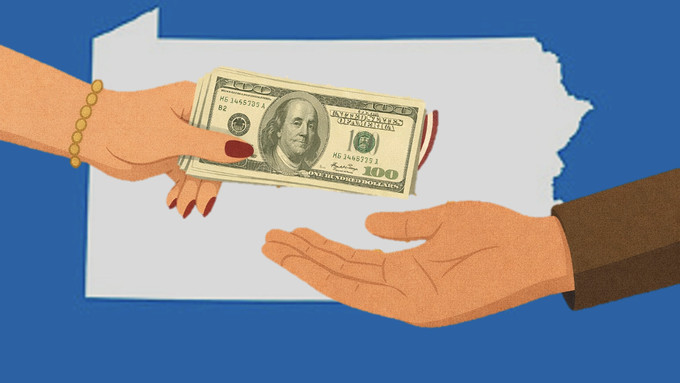
HARRISBURG, Penn. — The Pennsylvania State Senate is considering a bill that would impose a 10% tax on the revenue of adult websites doing business in that state.
Titled the “Online Adult Content Subscription Tax Act,” SB 1246 would levy a new 10% tax on recurring memberships, subscription fees and one-time access fees charged for access to “sexually explicit commercial content” via websites, mobile apps or online platforms.
In October 2025, the bill’s primary sponsor, Democratic State Senator Marty Flynn, along with Republican co-sponsor Sen. Joe Picozzi, issued a memo stating that they planned to introduce legislation to impose a new tax on adult content platforms, over and above the state’s existing 6% sales and use tax.
“Currently, online adult content platforms generate revenue from Pennsylvania subscribers but contribute nothing beyond the standard sales and use tax,” the memo read. “By imposing a targeted 10% tax on these services and purchases, we can ensure that these platforms contribute their fair share to the Commonwealth.”
The bill was officially introduced on March 30, and has been referred to the Pennsylvania State Senate Finance Committee.
Businesses dealing in liquor, tobacco products, medical marijuana and other sectors are currently subject to specialized taxes in Pennsylvania. Additionally, the bill includes language stating, “This act is not intended to prohibit or censor expressive activity but is solely intended to ensure equitable tax treatment of certain commercial transactions.” However, industry attorney Lawrence Walters told XBIZ that imposing a specific tax on adult content makes the constitutionality of the bill suspect.
“It imposes a content-based obligation,” Walters noted. “The government generally cannot impose additional tax obligations on protected speech based on its content.”
In addition, Walters said, exemptions contained in SB 1246 likely apply to most adult content sites, since the bill defines “sexually explicit commercial content” as excluding “content determined by a court of competent jurisdiction to be constitutionally protected in a specific instance.”
Walters explained, “The courts have repeatedly held that sexually explicit materials are within the scope of First Amendment protection, unless they are obscene. If the bill passes in its current form, I expect significant litigation to result from any attempt to enforce this tax obligation upon typical adult website operators, given the broad exemptions.”
Confusion over the difference between "obscene" material, "sexually explicit" material and material "harmful to minors" is common in state legislation.
The Pennsylvania bill may reflect a new “copycat” trend, reminiscent of the numerous state age verification bills introduced in the wake of Louisiana’s 2022 AV law. As XBIZ reported in March, Utah’s governor recently signed into law a bill to tax adult websites. Alabama passed a similar 10% tax last year. Meanwhile, legislators in Virginia have introduced a bill to do the same, though that legislation has been delayed for consideration until the 2027 session.



