



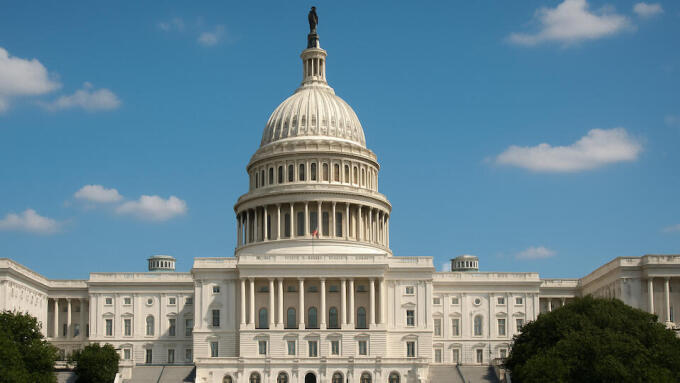
WASHINGTON — Members of Congress this week introduced two bills calling for the repeal of Section 230 of the Communications Decency Act, which protects interactive computer services — including adult platforms — from liability for user-generated content.
On Tuesday, Rep. Harriet Hageman of Wyoming introduced HR 6746, the Sunset to Reform Section 230 Act. That bill amends Section 230 by adding simply, “This section shall have no force or effect after December 31, 2026.”
On Wednesday, Sen. Lindsey Graham of South Carolina introduced S 3546, which also calls for the repeal of Section 230, effective two years following enactment.
An Attempt to Gain Leverage
One reason for adding these “sunset” provisions, rather than calling for immediate repeal, is that legislators see the threat of repeal as a way to gain concessions from stakeholders opposed to changing Section 230.
Right-wing critics claim that social media platforms use the rule as a shield allowing them to censor conservative speech. They seek to limit platforms’ right to moderate content as they see fit. Meanwhile, would-be reformers on both sides of the aisle vilify “Big Tech” for profiting from illegal and harmful content, and seek to pressure platforms to moderate such content more intensively by making them liable when third parties post it.
In a statement, Hageman warned that “outside interests” would work to block reforms.
“We must therefore find a way to force the issue through the reauthorization process,” she argued.
Sen. Richard Blumenthal of Connecticut, one of several Democratic co-sponsors of Graham’s bill, struck a similar note in his statement of support for S 3546, asserting that the measure will “force Big Tech to the table with a bold demand: either negotiate sensible reforms now or lose your absolute immunity forever.”
Other supporters, however — including Graham — spoke of the necessity of actually repealing Section 230. Either scenario would impact the adult industry severely.
Potential Consequences
Opening up Section 230 to tinkering could easily pave the way for a variety of specific “carve-outs,” in the tradition of FOSTA/SESTA’s exemptions revoking liability protections for sites that “unlawfully promote and facilitate” prostitution or sex trafficking.
Industry attorney Lawrence Walters told XBIZ, “The modern adult industry is largely dependent on Section 230, which allows for operation of fan sites, cam sites and adult platforms. If this bill is passed, or an adult industry carve-out is adopted, these business models are threatened. This frontal assault on Section 230 immunity should be a source of great concern to the adult industry and online freedom, generally.”
In 2024, Free Speech Coalition Executive Director Alison Boden similarly predicted that efforts to change or repeal Section 230 would cause chaos for the industry.
“I think that it would cause a further crackdown on sexual content,” Boden said. “If there was a carve-out of Section 230 for ‘obscenity,’ the same way that FOSTA/SESTA carved out ‘human trafficking,’ that would have serious implications.”
The likelihood of an adult-specific carve-out appears to be even greater in the present political climate, as indicated by a number of developments:
- In Free Speech Coalition v. Paxton, the Supreme Court ruled that a less rigorous standard of review may be applied to laws restricting access to adult content.
- During his first term in office, President Trump attempted to push through a repeal of Section 230 via a proposed amendment to an unrelated bill, but was unsuccessful.
- The Trump-appointed chair of the Federal Communications Commission, Brendan Carr, has called for gutting Section 230 protections — and also happens to have been an author of Project 2025’s “Mandate for Leadership,” which notoriously included a call to criminalize all adult content, asserting that pornography “has no claim to First Amendment protection.”
- Graham’s bill is bipartisan and counts among its co-sponsors influential Democrats such as Democratic Whip Dick Durbin and Steering & Policy Committee chair Amy Klobuchar.
A carve-out aimed at or including the industry would effectively repeal Section 230 as far as adult platforms are concerned. This would render adult sites that host user-generated content legally liable for that content, opening the floodgates for civil lawsuits.
While the First Amendment protects legal content, Section 230 heads off attempts to stifle legal speech or extort damages via litigation. Lacking its protections, unpopular speech such as adult content would become even more of a prime target for such attacks.
According to industry attorney Corey Silverstein, the loss of Section 230 protections would be "catastrophic" for the industry.
"It would mean that internet service providers, search engines, and every interactive website could be left responsible for the actions of its users," Silverstein said. "That is simply untenable, and these businesses would not be able to exist out of fear of being sued out of existence."



