



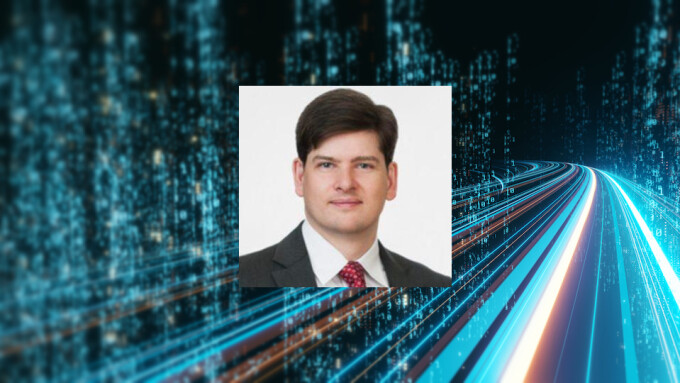
WASHINGTON — President Donald Trump’s candidate for a crucial seat on the Federal Communications Commission (FCC) was grilled this week during his confirmation hearing before the Senate Commerce Committee concerning the stated presidential wish to erode Section 230 protections via the federal agency.
Nathan Simington, an obscure bureaucrat in the Commerce Department, was handpicked for one of the coveted few FCC seats, after Trump revoked the nomination of his previous candidate, Mike O’Rielly, who had expressed reservations about the attack on Section 230 and online free speech.
O’Rielly, a Republican, has been serving as FCC commissioner and his tenure was expected to be renewed for another term before he publicly revealed his moderate views about FCC intervention in the Section 230 debate.
The questioning during Simington’s confirmation appeared to be an attempt to probe his qualifications and to determine if the chief goal of appointing him to the FCC was to gain a majority before the next presidential inauguration in January 2021 in order to effect changes to online free speech protections granted by Section 230, the so-called “First Amendment of the internet.”
If Joe Biden becomes the next president, after the electoral college meets, Simington’s FCC vote would seriously interfere with any attempts by a new administration to set up its own policies regarding Section 230 and other important internet regulation issues.
A Trump Loyalist
Grilled by Democratic Senators, particularly Richard Blumenthal (D-Conn.), Simington provided non-specific answers beyond saying that he believes "Section 230 needs to be reformed.”
Blumenthal defined Simington's record as one of blind obedience to Trump's wishes. “During your time working at the National Telecommunications and Information Administration, you effectively acted as an arm of the president,” Blumenthal told Simington, highlighting the bureaucrat's work crafting memos regarding Section 230.
“Trump’s tweet makes it clear what he expects from you, which I think should deeply trouble us all,” Blumenthal added, in reference to a message tweeted by Trump, on the day of the hearing, to his partisans in Congress: “Republicans will hopefully confirm him to the FCC ASAP! We need action now on this very important nomination!"
Blumenthal asked Simington to commit to not voting on Section 230 rule-making, but the nominee refused to make any pledge, calling it "premature" and saying that if confimed, he would consult with the commission's ethics counsel.
'Lame Duck' Status in Question
A key point of the debate around Simington’s nomination and the current hearings is that, for Democrats, this is a “lame duck” season and important business — such as filling an FCC seat — should be put on hold until President-elect Biden is sworn in. The current chairman of the FCC, Trump appointee Ajit Pai, had made a similar argument during Obama’s “lame duck” months.
However, neither Pai nor Trump have acknowledged Biden’s victory last week, and the Secretary of State, Michael Pompeo, has stated they are preparing for “a second Trump administration.”
FCC has five members, which are traditionally allocated as three seats for the sitting president’s party, and two for the opposition party.
"[Senate Majority Leader Mitch] McConnell may see the bigger picture — keeping the FCC at 2-2 is better for a conservative approach to regulatory policy than allowing the Democrats to hit the ground running with a 2-1 advantage," former Pai aide Nathan Leamer, now a VP of public affairs firm Targeted Victory, told Axios.
Through a spokesperson, Ted Cruz (R-Texas) told Axios he hopes Simington “will be swiftly confirmed," and lauded the unknown-until-now nominee’s “fresh, new, and important perspective" to alter Section 230 via FCC rule-making.
Main Picture: Trump’s FCC nominee Nathan Simington (U.S. Department of Commerce)



