



Network Solutions' Brand-Protection Program Targets Adult TLDs

Network Solutions' Brand-Protection Program Targets Adult TLDs

LOS ANGELES — Network Solutions is targeting a string of adult-related and other gTLDs, which it describes as having “negative connotations,” by encouraging defensive registrations against their use.

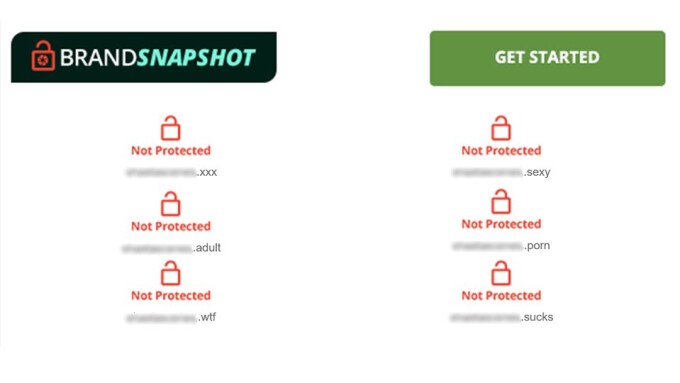
In an email titled “Brand Snapshot Alert,” Network Solutions advises brand owners to protect themselves by registering the .adult, .porn, .sex, .sexy, .sucks, .wtf and .xxx versions of their existing domain names — commonsense advice that makes for a great promo — but which also underscores the continuing perception of “ickiness” the industry has among mainstream tech players.  

“As your provider of online brand protection, we do everything we can to help you defend your company’s reputation,” the email reads. “Our defensive domain name registration program allows you to claim additional website addresses with negative connotations — like [domain].xxx — before anyone else.”

The message goes on to provide a “brand snapshot” graphic displaying the domain names associated with the recipient’s brand that are currently at risk.

Minds and Machines Group Ltd. (MMX), a publicly traded company on the London Stock Exchange that provides registry services for approximately 32 gTLDs, recently purchased ICM Registry, the registry operator for the .xxx, .porn, .sex and .adult gTLDs, in a reported $41M deal.

It is likely the company will see a surge in new registrations following Network Solutions' brand-protection initiative, including from adult companies seeking to expand their portfolios.

“We are excited to offer brand protection for mainstream brands,” MMX CEO Toby Hall told XBIZ, “as well as powerful keyword domains for the responsible adult industry.”


Related:  

Copyright © 2026 Adnet Media. All Rights Reserved. XBIZ is a trademark of Adnet Media.
Reproduction in whole or in part in any form or medium without express written permission is prohibited.

More News

Utah Governor Signs 'Porn Tax' and VPN Rule Into Law

Governor Spencer Cox on Friday signed into law a bill to tax adult websites and make them liable if minors circumvent geolocation.

BranditScan Launches 'White Glove' Subscription Tier

BranditScan has launched its new White Glove subscription tier for creators.

German Court: Regulator Can't Block Creator's IG Account, Only Posts

A German court has ruled that while a regional media regulatory agency may block specific Instagram posts that include material deemed harmful to minors, it cannot ban an entire Instagram account due to such a post.

Brazil Lays Out Preliminary Guidelines for New AV Requirements

President Luiz Inácio Lula da Silva on Wednesday signed a decree establishing guidelines for new regulations requiring adult websites to age-verify users located in Brazil.

Senate Committee Debates Section 230 Reform

The U.S. Senate Committee on Commerce, Science, and Transportation held a hearing Wednesday on potential changes to Section 230 of the Communications Decency Act, which protects interactive computer services — including adult platforms — from liability for user-generated content.

Pearl Industry Network Offers Free Creator Memberships

Industry trade group Pearl Industry Network (PiN) has launched its free creator membership initiative.

Sam Bird Acquires Fanblast

Sam Bird, former co-director of global talent agency Surge, has acquired creator monetization tool Fanblast and named himself CEO.

'SheHerGirls' Launches Through Paysite.com

The braintrust behind PoleVixens has officially launched a new membership site, SheHerGirls, also through Paysite.com.

FTC Invites Public Comment on 'Click to Cancel' Rulemaking

The Federal Trade Commission (FTC) announced this week that it is seeking public comment on whether it should amend its Negative Option Rule to better address deceptive or unfair practices.

Aylo Rebuts Indiana AV Suit Claims Over VPN Access

Aylo this week asked a Marion Superior Court judge to dismiss Indiana’s lawsuit alleging that the company violated the state’s age verification law by failing to prevent access by users who employ VPNs and similar means to avoid geolocation.

Show More

