



Apple to Target Ads Based on Consumer’s Credit Report

Apple to Target Ads Based on Consumer’s Credit Report

LOS ANGELES — Today’s online advertising ecosystem is predicated on many consumer demographic and psychographic factors, a process that Apple is taking a step further via financial health analysis.

Media buyers know that the more closely you target your audience, the more money you can make — with factors such as the prospect’s age, location, sex, user platform and more, all coming into play — even time of day and day of week are all selectable parameters on modern digital advertising networks.

Now Apple is adding perhaps the most basic market question to the equation: can the ad’s viewer even afford the product or service being offered?

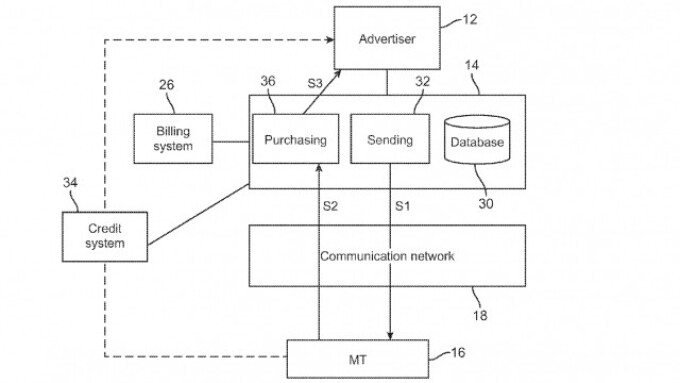
Apple recently filed an application with the U.S. Patent and Trademark Office for a “method and system for targeted advertising of goods and services to users of mobile terminals, based for example on the users’ profile.”

“Goods and services are marketed to particular target groups of users sharing a common profile which may be selected to increase the likelihood of the users responding to the advertisements and purchasing the advertised goods and services. The common profile of users may be based on the amount of pre-paid credit available to each user,” the Apple filing explains. “An advantage of such targeted advertising is that only advertisements for goods and services which particular users can afford, are delivered to these users.”

Critics of the process argue that Apple is invading their privacy by running credit reports on consumers as part of the ad serving process — and potentially putting your personal information at serious risk.

“They’re gobbling up everything they can learn about you and trying to monetize it,” Theo Priestley wrote for Forbes.com. “Apple is absolutely targeting your wallet and how you spend your money.”

Traditional print advertisers have long targeted consumers based on perceived financial level through their choices of ad venues, but Apple is taking it to a troubling new level, where the determination is not based on the probability that, for example, the reader of a high-brow magazine is well-to-do; but where the decision is made based on access to a person’s most sensitive personal information.

While there are few adult entertainment applications where basic affordability comes into play, Apple’s move illustrates the granular level of as targeting to which modern advertisers, adult or otherwise, are striving to achieve, providing inspiration and revenue to marketers.


Related:  

Copyright © 2026 Adnet Media. All Rights Reserved. XBIZ is a trademark of Adnet Media.
Reproduction in whole or in part in any form or medium without express written permission is prohibited.

More News

Texas Court Orders Adult Site Domain Locked for AV Violations

A district court in Texas has issued a writ requiring domain registry Verisign to “lock” an adult website’s domain over noncompliance with the state’s age verification law.

Adult Web Hosting Service 'QloudHost' Launches

QloudHost, a new web hosting service for adult websites, has launched.

Peter Hooke Launches New Paysite

Peter Hooke has launched an official website through PAYSITE.

Pineapple Support Names Ny Ny Lew as Brand Ambassador

Pineapple Support has named Ny Ny Lew as its newest brand ambassador.

Federal AV Proposal Passes House, Faces Senate Opposition

The U.S. House of Representatives on Monday passed the Kids Internet and Digital Safety (KIDS) Act, which includes provisions to make age verification by adult websites federal law, but the bill still faces tough going in the Senate.

Devin Drills Launches New Paysite

Creator Devin Drills has launched an official website through PAYSITE.

AV Bulletin: Midyear Roundup

Since the U.S. Supreme Court’s decision in Free Speech Coalition v. Paxton, more state age verification laws have been enacted around the United States, as well as proposed at the federal level and in other countries. Meanwhile, lawsuits resulting from AV laws have begun to play out in the courts. This roundup provides an update on the latest news and developments on the age verification front as it impacts the adult industry.

Judge Dismisses Last NCOSE-Backed Suit Over Kansas AV Law

A federal judge on Monday dismissed a lawsuit alleging that adult site SuperPorn violated Kansas’ age verification law, citing lack of jurisdiction after similarly dismissing two related cases earlier this year.

ASACP Updates 'Restricted to Adults' Labeling Resource Page

The Association of Sites Advocating Child Protection (ASACP) has updated its Restricted to Adults (RTA) labeling resource page.

Federal AV Proposal Scores Minor Win in House but Remains in Doubt

A newly announced bipartisan agreement in the U.S. House of Representatives Committee on Energy and Commerce may soon bring a proposed federal age verification law before the full House, but the measure continues to face an uphill battle.

Show More

