

You explained exactly what your NSFW AI business does to your payment processor and they seemed to get it. The underwriting process felt thorough and exhausting, but it was well worth it because you began processing.
All good, right? Not exactly. Suddenly, you're being audited and facing what feels like undue scrutiny. Somewhere along the way, your business was miscoded, and now you're in for a world of hassle.
If an adult AI business is miscoded, the wrong classification can mean the required high-risk registration and associated fees were sidestepped, too. From the merchant's perspective, someone put the wrong code on the account. From the card network's perspective, a high-risk business may have been processing without the proper registration, oversight and fees.
So what happens when you, the merchant, have done nothing deceptive, but your account is still noncompliant because of a coding error? Let's break down what can happen, why it matters and what you can do to protect your business.
Why NSFW AI Creates a Merchant Coding Problem
An AI platform operating in the adult space has a unique risk profile. Simply calling it an “AI company” doesn't tell an acquiring bank enough about what the business actually sells.
Adult doesn't just mean photos and video. Text, audio, stories and other adult-oriented digital experiences can also put a business into the adult category. With AI companion platforms, what customers can actually do with the service and the types of interactions it enables can determine how the business is viewed from a payments perspective.
Payment networks don't treat every type of online business alike. Adult businesses can be subject to additional registration, monitoring and compliance requirements. Mastercard, for example, maintains specific requirements for non-face-to-face adult content and services merchants. An inaccurate classification, then, isn't simply an administrative typo. It can mean your business wasn't boarded according to the requirements that actually apply to it.
Why the Right MCC Matters
A Merchant Category Code, or MCC, is a four-digit code used to classify a merchant according to the goods or services it provides. Banks, processors and payment networks use that classification for underwriting, monitoring and determining applicable payment-network requirements.
For high-risk merchants, an incorrect MCC can become more than a paperwork problem. These businesses can require registration with the card networks, and those registrations aren't free. Visa's high-risk registration costs $950 annually. Mastercard charges $1,000 annually, with Mastercard EU registration costing $500 annually.
If an adult AI business is miscoded, the wrong classification can mean the required high-risk registration and associated fees were sidestepped, too. From the merchant's perspective, someone put the wrong code on the account. From the card network's perspective, a high-risk business may have been processing without the proper registration, oversight or fees.
You might have had absolutely nothing to do with the error, but that doesn't make the problem disappear.
The Merchant Can Be Innocent and Still Face Scrutiny
You accurately described your business, provided your website, answered the underwriting questions and supplied the requested documentation. The processor or acquiring bank ultimately assigned the merchant classification. Then somebody discovers that the account wasn't boarded correctly. How is that your fault? It might not be.
Unfortunately, figuring out who caused the mistake and dealing with its consequences are two different things. The bank may still need to investigate the account and determine whether the merchant meets the requirements that should have applied from the beginning. That's why you should understand how the payment side sees your company and whether your processor and acquiring bank understand the business they're approving.
There's a huge difference between getting approved because the bank understands your business and getting approved because someone misunderstood it. The second one is a ticking clock.
From Miscoded to MATCH
Once a coding discrepancy is discovered, an acquiring bank may take a closer look at the account. That can mean additional documentation requests, compliance reviews and questions about what you're selling and how you've been operating.
That scrutiny doesn't automatically mean you'll end up on MATCH, Mastercard's system for identifying merchants terminated under certain circumstances. A coding error by itself shouldn't result in MATCH placement, though depending on what the investigation uncovers, the relationship could ultimately be terminated. Funds may also be affected depending on the merchant agreement, acquiring relationships and risks identified.
A MATCH listing, sometimes still referred to in the industry as the Terminated Merchant File, or TMF, can effectively burn the URL, UBOs, signors and corporation globally for five years. Losing one processor is a serious problem. Having the business and people connected to it flagged in a system used when evaluating merchant relationships can make that problem follow you when you try to establish processing elsewhere.
How to Get Boarded Right the First Time
So how do you avoid ending up in this situation? Start before you process your first transaction.
Be clear about what you sell. Don't simply describe yourself as an AI company if that leaves out a fundamental part of your business model. Underwriting should understand what customers are buying and what they can actually do with the platform.
Ask how your business is being classified. You don't have to tell the acquiring bank which MCC to assign you, but you should ask questions. Make sure the classification reflects what your business actually does.
Make sure your application matches reality. Your website, application, billing model, policies and conversations with underwriting should tell the same story. Don't downplay the high-risk aspects of your business to make approval easier. Getting through underwriting quickly isn't a victory if that approval is based on an inaccurate understanding of your company.
Keep records of what you disclosed. Applications, emails and other underwriting documentation can help establish what information was provided during the boarding process if questions surface later.
Speak up when the business changes. This is particularly important for AI companion platforms. New features, content capabilities or changes in how users interact with the platform can alter the nature of the business. Talk to your payment partner when the platform changes rather than waiting for an audit to discover it.
In high-risk payments, a coding mistake can create problems long after underwriting is over. Knowing how your business is classified, making sure that classification reflects reality and keeping your payment partners informed can help prevent a simple error from becoming a much bigger problem.
Ultimately, getting approved isn't the goal; getting boarded correctly is.
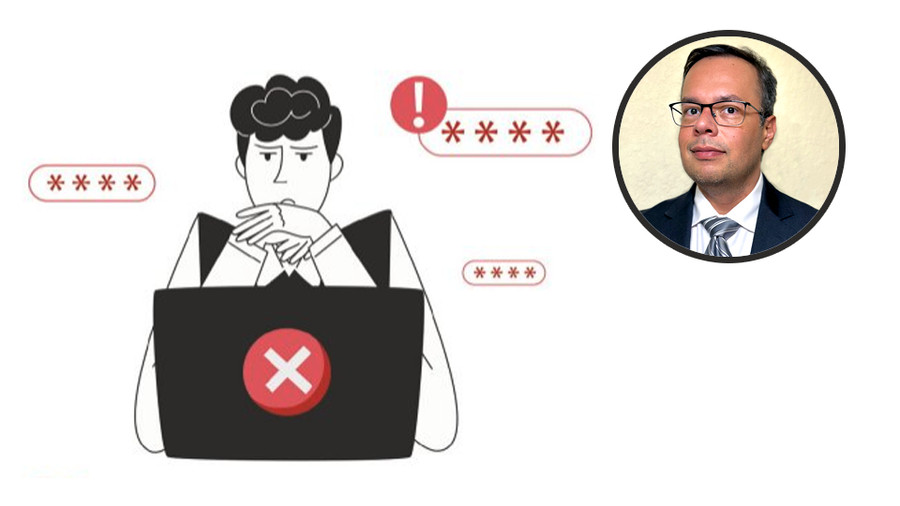
Jonathan Corona has two decades of experience in the electronic payments processing industry. As chief operating officer of MobiusPay, Corona is primarily responsible for day-to-day operations as well as reviewing and advising merchants on a multitude of compliance standards mandated by the card associations, including, but not limited to, maintaining a working knowledge of BRAM guidelines and chargeback compliance rules defined in both Visa and Mastercard operating regulations.



