



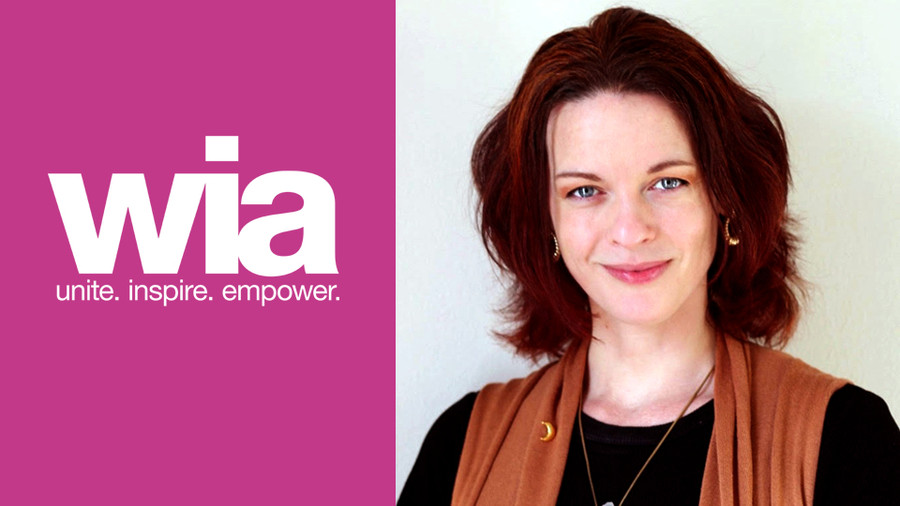
Savannah Sly is the first to admit she didn't always understand sex work.
At 18, she was an art student in Boston, working part-time at a box office and, as she puts it, "broke as a joke." While looking for ways to make ends meet, she often found herself browsing Craigslist's adult ads, intrigued by the women advertising their services.
"It's the friendship of other sex workers that fills my cup the most. Sex workers are among my best friends, my chosen family and my closest co-conspirators. I am inspired by our creativity, resourcefulness and wisdom every day."
"I was fascinated, but I was also highly judgemental,” Sly recalls. “I didn't know anything about sex workers, but I certainly had opinions."
That changed after she answered an ad for erotic massage without realizing what a "happy ending" actually meant. Although her first instinct was to leave after learning what the job entailed, the woman training Sly encouraged her to try a single session before making up her mind.
The experience surprised her.
"As soon as the client entered the room, everything went into a flow state," she recalls. "When he left, I thought to myself, 'I feel like a health worker.' I was proud of the service I had just provided. The job was easy and I enjoyed the sense of satisfaction I got from making someone happy."
Sly never looked back. She embraced a career she had once misunderstood, trading judgment for a deep sense of pride that continues to shape her work today. She now serves as founder and co-director of New Moon Network, a nonprofit dedicated to strengthening the movement for sex workers' rights through funding, education and leadership development.
The Path That Chose Her
Ask Sly what drives her work today, and her answer comes without hesitation.
"My advocacy is powered by anger and love," she affirms. "I'm consistently furious about how sex workers are treated by society, and organizing, advocacy, and philanthropy are how I channel that anger. I don’t feel that I’ve chosen this path so much as it has chosen me."
That calling has taken many forms, including New Moon Network, which since its launch in 2023 has helped channel more than $2.5 million to over 150 grassroots organizations supporting sex workers and survivors across the United States.
Beyond funding, New Moon also invests in developing future advocates. One initiative Sly is especially proud of is Spokes Hub, a leadership academy for people in the sex trades.
"Our goal is to offer education, networking, action opportunities and encouragement to advocates with lived experience," she explains.
The program offers practical skills training alongside deeper conversations about advocacy. Graduates who continue working in public education can also receive stipends from New Moon. To date, the organization has distributed nearly $60,000 to participants advancing sex workers’ rights in their communities.
Sly is also excited about New Moon's newest initiative, Common Cause, which seeks to open dialogue across long-standing opposition surrounding sex work.
"While we remain staunch supporters of the full decriminalization of sex work, we recognize that a lot of meaningful incremental reforms could happen if we opened communication with our opponents," she says. "In these times of rising authoritarianism, it's more important than ever to focus on defending our communities from shared threats."
Despite the challenges of advocacy, Sly says it's the people around her who keep her going.
"It's the friendship of other sex workers that fills my cup the most," she says. "Sex workers are among my best friends, my chosen family and my closest co-conspirators. I am inspired by our creativity, resourcefulness and wisdom every day."
Building Bridges
Sly's work eventually expanded beyond New Moon Network, leading her to become more involved with organizations serving the broader adult industry. Along the way, she found herself thinking about how different parts of the community could work more closely together.
"I always felt like there was a gap between the adult industry and the broader movement for sex workers' rights," she says. "Perhaps that's because creating and performing in porn has more legal footing than other types of sex work, or because it's a more formalized sector of the sex trade."
Wanting to better understand the industry's priorities, Sly began attending events, where she connected with creators, performers, and industry leaders while learning how organizations like the Free Speech Coalition and Pineapple Support help protect the community.
That work eventually led her to join the FSC Board of Directors.
"I was encouraged to join by some friends who were familiar with my work, and I'm so glad they did," she says. "Working with the board has allowed me to lend my perspective as a sex worker rights advocate and to work directly on efforts to mitigate banking discrimination."
Serving on the board has also given Sly a deeper appreciation for the work happening behind the scenes to protect the industry's future.
"FSC does incredible, Herculean work with the resources granted to it by adult industry businesses," she says. "I can't help but imagine what would be possible if those resources increased."
Beyond Allyship
Years of organizing and advocacy have given Sly a clear perspective on the difference between allyship and solidarity.
"To be an ally is to stand alongside someone experiencing injustice," she says. "Solidarity recognizes that injustices against one group are injustices against all of us, and that our ability to stay safe and free is bound together."
She sees allyship and solidarity as complementary rather than competing ideas. While an ally might share information or speak out publicly, she says solidarity often means taking the next step, whether that's volunteering, donating, contacting lawmakers or offering professional skills to organizations working on the front lines.
At a time when many people feel overwhelmed by attacks on civil rights, censorship and discrimination, Sly believes it's easy to freeze.
"That's the point," she says. "People trying to take away our rights want us to be so overwhelmed that we don't do anything. That's why taking small actions can be helpful."
For those looking to get involved, she encourages supporting organizations that are already doing the work, whether by becoming a member, making a donation, volunteering or simply helping amplify their efforts.
She also stresses that making a difference doesn't require having all the answers.
"Learning will always be part of the journey," she says. "Despite being a sex worker for more than 20 years, I am always learning from my colleagues."
Stronger Together
When she's not leading New Moon or working to advance sex workers' rights, Sly makes a point of carving out time to recharge. A perfect day might include an early-morning jiu-jitsu class, writing music, heading to a yoga class, or catching live music with friends.
"Grappling has been my favorite hobby for the past two years," she says. "It's been great for clearing my mind, teaching me practical skills and boosting my confidence."
Looking ahead, Sly is the first to admit she doesn't know exactly what the future holds.
"The world is unhinged right now," she says. "Being in the nonprofit space means embracing uncertainty because we literally rely on donations and grants to operate."
Even so, she's optimistic about what's ahead. She's proud of the foundation New Moon has built and confident that her team will continue to create opportunities for grassroots leaders, no matter what challenges come next.
More than anything, she's encouraged by the momentum she sees across the broader movement for sex workers' rights and by the people working every day to strengthen it.
"'We take care of us' is a motto in the movement that helps me stay brave," she says. "I know it's true because I witness it every day."



