

One of the biggest opportunities in adult retail isn’t chasing the next trend. It’s recognizing the customers who are already walking through your door and making sure they feel they belong there.
Adults over 50 are embracing dating, new relationships, sexual wellness and self-exploration in greater numbers than ever before. Some are rediscovering themselves after divorce. Others are enjoying an empty nest, retirement or simply reaching a stage in life when they finally have time to prioritize their own happiness. Many have the disposable income to invest in quality products. What they don’t always have is confidence.
You are helping someone rediscover confidence in a part of themselves they may have thought was behind them.
For many women, aging comes with years of messaging that slowly chips away at self-esteem. Every magazine cover, television commercial and social media feed seems to celebrate youth while quietly suggesting that growing older means becoming less desirable. Wrinkles appear. Bodies change. Menopause brings new challenges. Before long, some women begin comparing themselves to people half their age and wondering whether they are simply “too old” to be sexy anymore.
That feeling does not magically disappear when they enter an adult store.
For some customers, stepping through the front door takes genuine courage. They may feel out of place among younger shoppers or assume they will be judged for asking what they consider basic questions. A positive experience on that first visit can completely reshape how they view themselves and your business.
Creating that experience often has very little to do with the products themselves. It starts with making people comfortable.
Think about your sales floor from the perspective of someone who may not be able to stand comfortably for 20 minutes while discussing intimate topics. Having a chair available for consultations seems like a small detail, but it immediately creates a more relaxed atmosphere. Offering a bottle of water during a longer conversation or placing a fan near the fitting rooms can make a noticeable difference for customers experiencing hot flashes or taking medications that affect body temperature. If your store has a quieter corner away from the front register, use it. Conversations about vibrators, lubricants or relationship concerns are much easier when customers don’t feel like everyone within earshot can hear them.
Comfort also comes from knowing what to expect. Rather than launching into personal questions the moment someone says they are looking for a vibrator, explain your process first.
“I like to start with some broad questions, and then we’ll narrow things down together so I can help you find something that’s a good fit for you.”
That simple explanation immediately eases the pressure. The customer knows there is no right or wrong answer and understands that you are guiding them through a process rather than interrogating them.
From there, start with categories instead of specifics.
“Is there something in particular that caught your eye today? Maybe vibrators, lubricants, sensory products, position support or lingerie?”
If they already know which category interests them, you have established a starting point. If they are unsure, you have shown them there are plenty of options without overwhelming them.
Another great question is whether they are building on previous experience.
“Have you owned something similar that you really liked before, or are we starting completely from scratch?”
That answer tells you almost everything you need to know. Someone replacing a favorite toy will have very different needs than someone buying their first product at age 60. Neither answer is better than the other, but it helps shape the conversation to feel personal rather than scripted.
Simply placing two or three options in someone’s hands encourages a natural response. They may gravitate toward a softer silicone finish, a smaller size, or a shape that feels less intimidating. Those reactions provide valuable information that guides the next recommendation.
As the conversation progresses, education becomes far more valuable than features.
Rather than saying one vibrator has 12 functions and another has 15, explain how they feel in use.
“This one has a deeper, rumbly vibration, while this one is much buzzier.”
“If you’re looking at sensory play, this one feels light and tickly, while this one has a firmer scratch that’s a bit more intense.”
Whenever possible, encourage customers to hold products, squeeze the silicone, test the buttons, or feel different materials. Those hands-on moments often answer questions customers did not even realize they had.
The conversation should unfold naturally until you notice excitement arise.
You can usually see it happen. A customer picks something up a second time. They smile and start asking questions instead of simply answering yours. That is often the product they imagine taking home.
One of the best ways to build confidence is to share relevant personal experience.
“Oh, I’ve tried that one. The motor is incredibly strong. If you love powerful vibration, it’s fantastic. If you’re looking for something gentler, I have another option I’d love to show you.”
Those kinds of comments feel genuine because they are. Customers appreciate hearing honest observations rather than rehearsed marketing language. They are not looking for the trendiest toy on the shelf. They are looking for someone who understands how different products actually feel and can match those sensations to what they hope to experience.
That also means reassuring customers that your goal is not to sell the most expensive product. Tell them: “I’m much more interested in helping you find the right fit than the biggest or most popular item.”
When customers believe you, the entire interaction changes. They are more willing to answer personal questions because they know those questions are leading to something helpful rather than to a larger sale.
Sometimes the right recommendation is a simple lubricant that addresses menopause-related changes. Sometimes it is a positioning cushion that makes intimacy more comfortable after hip surgery. Sometimes it is a feather tickler because a couple wants to reconnect without pressure to have intercourse. Other times, it is the powerful rechargeable vibrator they have secretly wanted to buy for years but have never felt comfortable asking about.
The most successful retailers understand that mature shoppers are as diverse as younger ones. Some are adventurous and experienced. Others are nervous beginners. Some want to experiment with BDSM for the first time after decades of marriage. Others simply want to feel desire again after years of putting themselves last.
Every one of those customers deserves the same level of enthusiasm, patience and respect.
When you slow down, explain the process, listen carefully, and let the conversation develop naturally, you are doing far more than making a sale. You are helping someone rediscover confidence in a part of themselves they may have thought was behind them.
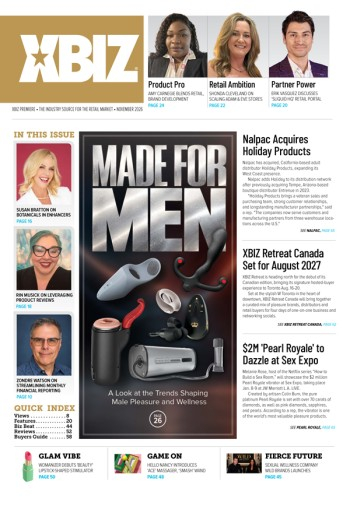
Rin Musick is a 10-year adult retail veteran who has worked in every store position from sales associate to general manager. As a brand ambassador for Sportsheets, she brings her passion for end-user satisfaction to her mission of spreading the word about the company’s historic, current and future innovations in connecting romantic partners.