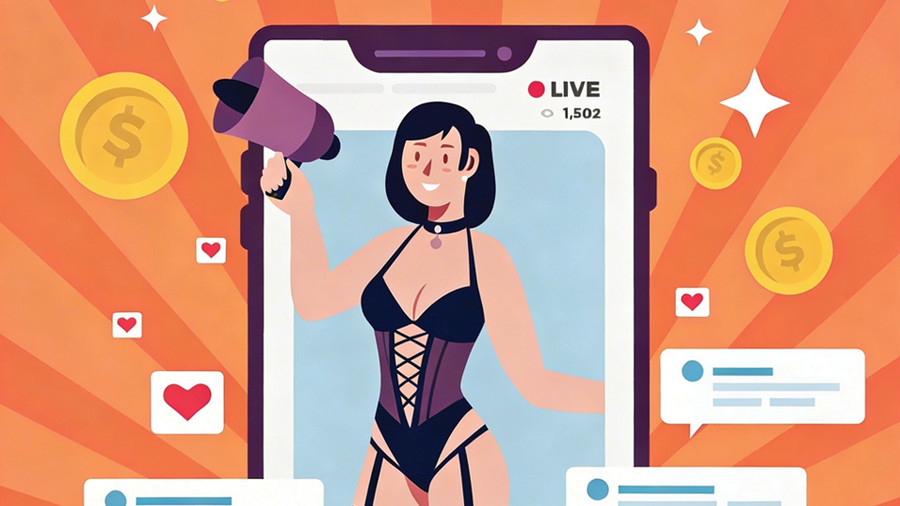
One of the biggest misconceptions in the creator economy is that follower count determines revenue. Many creators assume the path to higher earnings is simply more traffic, subscribers and views. In reality, it’s common to see a tiny fraction of fans responsible for the majority of spending.
For creators focused on growth, it’s easy to assume success comes from expanding reach. One fan might subscribe for a month, watch a few posts and never interact. Another might subscribe, send tips, buy pay-per-view content, request custom material and spend thousands over time. These two fans may have landed on the same profile and clicked the same “subscribe” button — but psychologically, they’re very different.
Fans who tip large amounts often enjoy the acknowledgement that follows. Being recognized as a top supporter can reinforce their connection to the creator and their standing within the fan community.
High-spending fans tend to respond to a distinct set of emotional and behavioral triggers. Creators who understand those triggers are in a better position to attract and retain fans who spend more, stay longer and engage more deeply.
Let’s start by reviewing four patterns that appear repeatedly among high-value supporters.
1. Emotional Depth: The Relationship Comes First
The biggest spending driver in the creator economy isn’t explicit content. It’s emotional depth.
Fans who spend heavily rarely see themselves as passive viewers. Instead, they often feel personally connected to the creator. That connection might be romantic, supportive or aspirational, but it creates a sense that the relationship goes beyond content consumption.
Creators who build this type of connection tend to interact differently with their audiences. Their messaging feels conversational rather than transactional. They acknowledge fans directly, reference past conversations and make individual supporters feel like they matter. For many fans, the appeal isn’t simply what they receive; it’s the feeling of being recognized.
That recognition can be surprisingly powerful. A short reply to a message, remembering a fan’s name or referencing something they previously mentioned can reinforce the tangibility of the creator-fan relationship. Once that emotional connection forms, spending behavior often changes. Fans who feel emotionally invested are far more likely to tip, purchase custom content or support a creator consistently over time.
By contrast, fans who experience their interaction with a creator as purely transactional usually behave more like casual consumers. They subscribe, browse and move on.
2. Exclusivity: Access Is the Product
Another common trait of high-spending fans is their attraction to exclusivity. When something feels widely available, it tends to feel less valuable. When it feels limited or restricted, its perceived value increases dramatically. Luxury brands have exploited this dynamic for decades. The same psychology plays out across creator platforms.
Fans who spend heavily often want access that feels unique. That might mean custom content, private messaging or experiences that appear unavailable to the general audience. It’s not unusual for high-spending fans to value interaction even more than the content itself. In many cases, what they are actually paying for is proximity and the sense that they have a closer connection, deeper access or a more personal experience than the average follower.
Creators who understand this often structure their offerings in ways that reinforce that feeling. Limited drops, private fan tiers and one-on-one interactions all serve the same psychological purpose: They make the experience feel exclusive. And exclusivity naturally attracts the fans who are willing to spend the most.
3. Consistency: Trust Drives Spending
High-spending fans rarely appear instantly. In most cases, they ramp up their spending gradually as trust builds over time.
Fans are more likely to invest significant money into a creator if they feel confident about the experience they’re buying. They trust that the creator will respond, deliver what was promised and maintain a consistent presence. Consistency, therefore, becomes a major factor in long-term monetization.
Posting only sporadically, disappearing for weeks or constantly changing your approach can create uncertainty among your audience, making fans hesitant to spend larger amounts. On the other hand, creators who maintain steady communication and predictable content patterns create a sense of reliability, which lowers the psychological risk of spending. Fans know the creator will be present tomorrow, next week and next month. They feel comfortable investing in the relationship because it appears stable.
Some of the highest-earning creators are not necessarily the ones producing the most elaborate content. They’re the ones who maintain a dependable rhythm that fans can rely on.
4. Authority and Status
High-spending fans are also influenced by status dynamics within a fan community. Spending money can signal loyalty, dedication and even competition among supporters.
On many platforms, this dynamic is evident through tipping, direct messages or public recognition during livestreams. Fans who tip large amounts often enjoy the acknowledgement that follows. Being recognized as a top supporter can reinforce their connection to the creator and their standing within the fan community.
This is one reason why leaderboards, shoutouts and personalized acknowledgements can be surprisingly effective. They introduce a sense of hierarchy. When spending becomes visible, it can also become competitive.
Not every fan is motivated by status, but the ones who are often become the most financially supportive members of a creator’s audience.
The Bottom Line: Engagement Versus Exposure
Ultimately, the gap between a $10 fan and a $5,000 fan is not about wealth or generosity. It’s about psychology. One fan is simply consuming content. The other feels connected to a creator, invested in their experience and motivated to participate more deeply.
Creators who recognize that engagement drives spending far more than exposure does, and who shift their focus away from chasing larger audiences and toward strengthening connections with fans who are already there, are likely to discover an important truth: A creator with a small but deeply engaged audience can out-earn one with 50,000 casual followers. Because in the creator economy, the most valuable fans are the ones who feel closest to the person behind the account.
Alex Lirette is co-owner of Teasy Agency and has spent over a decade working in adult-industry marketing and creator management. He enjoys working with creators and online platforms while sharing insights from his experience in the industry.