
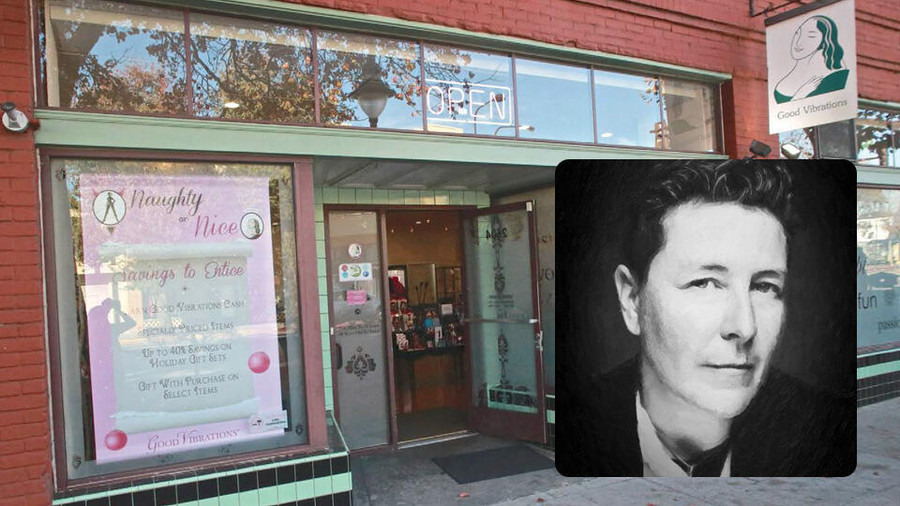
In late July, pioneering sex-positive retailer Good Vibrations made waves wit the announcement of its acquisition of the progressive rival retail chain and online store Babeland, While the brands will each keep their names and identities intact, the merging of the companies marks the birth of a progressive, sex-positive powerhouse. The two companies did not disclose terms of the deal, however in a press release both parties expressed their enthusiasm regarding the acquisition.
“Promoting sexual health and pleasure has been at the core of Good Vibrations and Babeland for decades,” Jackie Rednour-Bruckman, executive vice president of Good Vibrations, said. “This acquisition represents a powerful synergy where both brands can grow successfully and fulfill the founder’s visions of a more sex positive world.”
We are very committed to keeping both brands very solid and unique while working on operational efficiencies.
Claire Cavanah and Rachel Venning founded Babeland in 1993 in Seattle, initially naming the store Toys in Babeland. The two queer, sex-positive feminists saw a need to create a welcoming and friendly place to shop, as well as a destination for caring and non-judgmental advice about how to have a satisfying sex life.
In 1995, Toys in Babeland started its mail order business with a small print catalog with their website launching one year later. In 1998, Cavanah and Venning opened a store in New York City, on the Lower East Side of Manhattan, and in 2003, Babeland SoHo was born, followed by another East Coast location in Brooklyn.
The company shortened its name to Babeland in 2005 when the brand evolved “as a destination, a lifestyle, a state of mind — all celebrating the simple truth that sexually healthy people make the world a happier place.”
Cavanah and Venning co-authored two books together, “Moregasm: Babeland’s Guide to Mind-Blowing Sex” and “Sex Toys 101” and have appeared regularly in the media.
Babeland currently operates the Seattle store at 7th Ave. and Pike St., along with its three locations in New York City. It also operates the Babeland.com online store.
With the acquisition, Babeland’s founders will step down and move on to other pursuits.
Venning said, “It’s been a joy and an adventure to start and grow Babeland. I have enormous gratitude for all the customers, staff and community that have been part of this. I’m ready for a new adventure.
“Having Good Vibrations take over makes it easier to let go because we share so many of the same feminist values,” she said.
Similar to Babeland, Good Vibrations was founded in San Francisco in 1977 by feminist pioneer Joani Blank, who passed away last August. Good Vibes is credited with inventing the concept of the clean, well-lighted vibrator store and through the years the company has expanded with multiple locations.
In 1994, Good Vibes opened a second retail store in Berkeley, Calif., followed by another San Francisco location. In 2006, Good Vibes opened its first location outside of the San Francisco in Brookline, Mass. Today Good Vibes operates nine stores in five cities, including some in New York, as well as the GoodVibes.com online store.
The company also operates a wholesale private label division, an ecommerce site and a thriving social media channel. Good Vibes also has a movie production line of sex education movies. The company’s GiVe campaign, which was launched in 2009, partners with local and national non-profit organizations.
In an exclusive interview with Good Vibes’ EVP, Rednour-Bruckman offers additional details about what customers can now expect from Good Vibes and Babeland, following their merger.
XBIZ: Discuss the significance of Good Vibes’ acquisition of Babeland . How does it preserve and build upon the legacies of both brands?
Jackie Rednour-Bruckman: This acquisition will help create synergies and efficiencies enabling both brands to be successful while creating a larger retail imprint of sex positivity.
XBIZ: How do the brands complement each other? How do they each uniquely serve their customers?
Rednour-Bruckman: There are strong shared values of promoting sexual health and pleasure and empowerment — Good Vibrations has an education focus and Babeland is a fun lifestyle brand encouraging sexual confidence and both brands offer quality products, trusted information and a wonderful customer experience. We are very committed to keeping both brands very solid and unique while working on operational efficiencies.
XBIZ: How will the acquisition benefit customers?
Rednour-Bruckman: Customers are going to see two very vibrant brands continuing on successfully and be the trusted go-to destination for everything from buying your first vibrator to finding out what’s the best lube to use during menopause and beyond … all locations will be well stocked with excellent curated collections and be a welcoming non-judgmental place to explore and ask questions. We will continue with the highly successful events and workshops and plan on a lot of exciting campaigns and community partnerships ongoing. Online customers will find the same as well as trusted privacy and discreet ordering and shipping. We do not plan on changing or overhauling the brands.
XBIZ: This year marks Good Vibes’ 40th anniversary — to what do you attribute the company’s growth over the years?
Rednour-Bruckman: Good people making good choices. Learning from mistakes. Being fiscally responsible and making sound business decisions while not compromising the core brand principles. As we see in this current political climate when women’s reproductive health care access is in jeopardy; when LGBT people are discriminated against and being targeted; when universities are codifying sexual consent training; and a lot of married women still tell us they have not had an orgasm during sex, we still have a long way to go and our work is never done.
XBIZ: What can we expect from Good Vibes (and Babeland) in the future?
Rednour-Bruckman: Just you wait and see. It’s going to be fun. Two iconic brands coming together … I mean no pun intended but for real … this is a fabulous thing!