



5th Circuit Gives Go Ahead to Controversial Texas Social Media Liability Law

5th Circuit Gives Go Ahead to Controversial Texas Social Media Liability Law

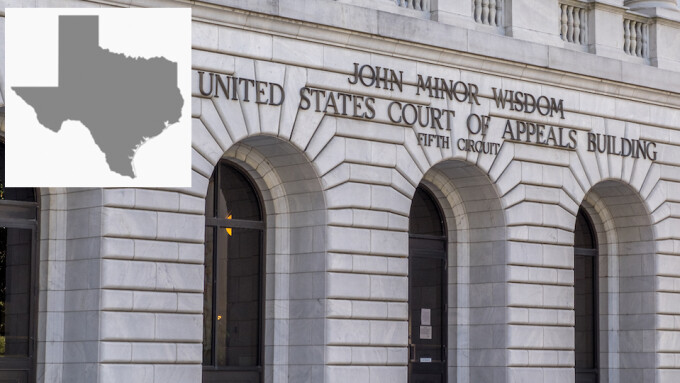
AUSTIN — A three-judge appeals panel ruled today that an extremely controversial new Texas law making online platforms liable for “viewpoint discrimination” can go into effect immediately.

The Fifth Circuit appeals panel, with jurisdiction over Texas, stayed a previous district court injunction that had put enforcement of Republican-masterminded state legislation HB 20 on hold.

The decision was communicated this afternoon without any explanation as to the court’s reasoning and with two of the judges remaining anonymous.

During a hearing on Monday, “the jurists appeared to struggle with basic tech concepts, including whether Twitter counts as a website,” tech news site Protocol reported today.

The decision is “a win for conservative critics of the current interpretation of tech law, which underlies the operations of social media platforms such as Twitter and Facebook,” Protocol continued. “Two tech trade groups that count the Big Tech companies as members had sued Texas over the law.”

Issues of content moderation, Section 230 immunity and free speech have raised the level of concern about laws such as Texas’ HB 20, as well as a similar Florida bill seeking to “punish private companies for their views and treatment of content” when such treatment is alleged to violate the First Amendment, Protocol reported.

The new law opens the way for lawsuits against online platforms accused of "viewpoint discrimination," an ill-defined term with dubious legal standing. It is mostly used by conservatives and the U.S. right wing, who claim they are being censored on social media — though some of the same politicians and right-wing activists advocating against what they call "corporate" censorship also demand a return to state-driven censorship of sexual expression via obscenity prosecutions, and consider LGBTQ+ content to be "pornography."

“Despite no prior history of courts and lawmakers treating social media as ‘common carriers’ the way phone companies are, and the clear Supreme Court precedent arguing against government interference with internet content, some conservatives have increasingly argued for treating platforms that host user-generated content similarly,” Protocol observed.


Copyright © 2026 Adnet Media. All Rights Reserved. XBIZ is a trademark of Adnet Media.
Reproduction in whole or in part in any form or medium without express written permission is prohibited.

More News

Pennsylvania Legislature Weighs 'Porn Tax' Bill

The Pennsylvania State Senate is considering a bill that would impose a 10% tax on the revenue of adult websites doing business in that state.

Trump Tariffs Refund Process to Launch April 20

WASHINGTON — U.S. Customs and Border Protection (CBP) will begin the process of refunding duties paid under the Trump administration’s sweeping program of tariffs by providing, starting April 20, an online tool for submitting refund claims.

BranditScan Rolls Out 2 New Platform Features

BranditScan has introduced its new Traffic Optimization and Doxing Protection features for creators.

NMG Management Partners With Cosplayground to Scale Distribution

NMG Management has partnered with Cosplayground to expand the studio’s digital distribution and licensing operations.

Dreamcam Adds Real-Time Speech Translation

Dreamcam has introduced Voice Translator AI to its livestreaming platform.

UK Government May Limit 'Step' Porn Ban With New Amendments

The U.K. Ministry of Justice on Friday revealed new government amendments to the pending Crime and Policing Bill, potentially limiting a planned ban on “step” content to apply only if adult performers role-play as minors.

Arizona Senate Removes 'Catch-22' Provision From Consent Bill

The Arizona State Senate has amended a bill that would impose new requirements for adult content uploaded online, removing a seemingly contradictory provision that could have effectively made it impossible for adult sites to operate in the state.

Climaxx Media Launches Networking Platform

Climaxx Media has officially launched its new networking platform.

Italian Court in Aylo Case Limits International Reach of AV Rules

An Italian administrative court has ruled that Italy’s recently-enacted age verification rules for adult content may not currently be enforced against sites based in other EU member states, pending further procedural action under the EU’s Directive on Electronic Commerce.

OCC, FDIC Prohibit Use of 'Reputation Risk' by Regulators

The Office of the Comptroller of the Currency (OCC) and the Federal Deposit Insurance Corporation (FDIC) on Tuesday issued a final rule codifying the elimination of ‘reputation risk’ as a criterion in their supervision of financial institutions.

Show More

