



ExoClick Launches Customizable Native Advertising Format

ExoClick Launches Customizable Native Advertising Format

BARCELONA — ExoClick has announced the addition of support for native advertising on its advanced ad serving platform.

According to the company, native advertising is a commonly used mainstream ad format that appears similar to the editorial content of the publisher’s site, which gives it a much higher click through rate compared to standard banner advertising, with MediaPost.com reporting that consumers interact with native ads 20- to 60 percent more than they do with standard banner ads.

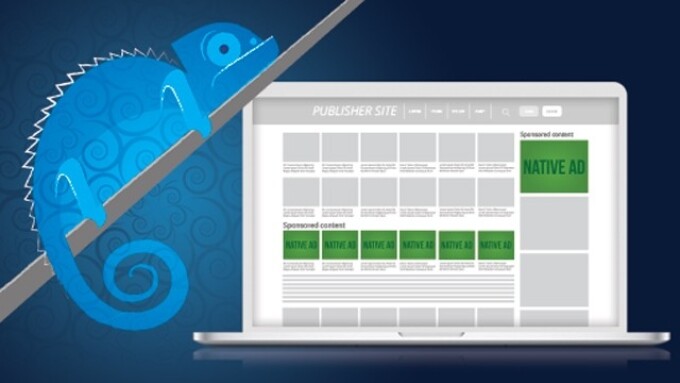
ExoClick’s native ad format is a widget that publishers can easily incorporate into their ad zones, allowing 300x300 pixel images and a short text blurb.

There are various blocks of native ad zones within the widget and they are displayed as row(s) x image(s), the format allows 1x1, 1x2, 1x3, 2x1, 2x2, 2x3, 3x1, 3x2, 3x3, 4x1, 4x2, 4x3, 5x1, 5x2, 5x3, 6x1, 6x2 and 6x3. The widget is fully responsive so it works across all devices: desktop, mobile and tablet and automatically resizes images to fit with the design of each site.

Publishers can fully customize the widget to copy the look and feel of the editorial content on their site, tailoring features such as font type, size, color, bold and underline, background color, image border size, and border color, etc.

ExoClick’s native advertising allows publishers to generate revenues with non-disruptive advertising spots that are geared specifically for their audience. This gives an improved user experience and unlocks previously untapped demand for an increased fill rate.

Native ads are also not subject to ad blocking, and allow advertisers to create meaningful engagement by delivering the right message to the right audience while achieving a higher CTR.

“Native advertising provides a valuable transition from a site’s regular content to premium advertising spots, which offers much less user resistance compared to a traditional banner ad,” says ExoClick CEO Benjamin Fonzé. “After the user clicks on a native ad the key to driving conversions depends on how the advertiser creates their landing page.”

“For example, use the page as a tool to educate the consumer about your product or service, provide customer testimonials. If it is a live cam product try interviews with some of the models,” Fonzé added. “By making the landing page more lifestyle orientated you will increase your conversions because you are engaging the consumer.”

For more information, email help@exoclick.com.

Related:  

Copyright © 2026 Adnet Media. All Rights Reserved. XBIZ is a trademark of Adnet Media.
Reproduction in whole or in part in any form or medium without express written permission is prohibited.

More News

Texas Court Orders Adult Site Domain Locked for AV Violations

A district court in Texas has issued a writ requiring domain registry Verisign to “lock” an adult website’s domain over noncompliance with the state’s age verification law.

Adult Web Hosting Service 'QloudHost' Launches

QloudHost, a new web hosting service for adult websites, has launched.

Peter Hooke Launches New Paysite

Peter Hooke has launched an official website through PAYSITE.

Pineapple Support Names Ny Ny Lew as Brand Ambassador

Pineapple Support has named Ny Ny Lew as its newest brand ambassador.

Federal AV Proposal Passes House, Faces Senate Opposition

The U.S. House of Representatives on Monday passed the Kids Internet and Digital Safety (KIDS) Act, which includes provisions to make age verification by adult websites federal law, but the bill still faces tough going in the Senate.

Devin Drills Launches New Paysite

Creator Devin Drills has launched an official website through PAYSITE.

AV Bulletin: Midyear Roundup

Since the U.S. Supreme Court’s decision in Free Speech Coalition v. Paxton, more state age verification laws have been enacted around the United States, as well as proposed at the federal level and in other countries. Meanwhile, lawsuits resulting from AV laws have begun to play out in the courts. This roundup provides an update on the latest news and developments on the age verification front as it impacts the adult industry.

Judge Dismisses Last NCOSE-Backed Suit Over Kansas AV Law

A federal judge on Monday dismissed a lawsuit alleging that adult site SuperPorn violated Kansas’ age verification law, citing lack of jurisdiction after similarly dismissing two related cases earlier this year.

ASACP Updates 'Restricted to Adults' Labeling Resource Page

The Association of Sites Advocating Child Protection (ASACP) has updated its Restricted to Adults (RTA) labeling resource page.

Federal AV Proposal Scores Minor Win in House but Remains in Doubt

A newly announced bipartisan agreement in the U.S. House of Representatives Committee on Energy and Commerce may soon bring a proposed federal age verification law before the full House, but the measure continues to face an uphill battle.

Show More


