LOS ANGELES — As virtual reality technology continues to roll out, with new content, products and services seemingly released daily, consumers are taking notice.
They’re also noticing the hit this new tech is taking on their wallets.
“Jumping into the new and exciting world of virtual reality has more dangers than just suffering from motion sickness or bumping your knee on the coffee table while wearing a giant set of goggles,” explains Dan Ackerman in a recent article for CNET. “Sticker shock is a very real side effect of the devices leading this first generation of virtual experiences.”
While Google Cardboard, Samsung Gear VR and other smartphone-based approaches to VR offer easy access to the technology, it is through the tethered headset systems that VR’s promise is most fulfilled.
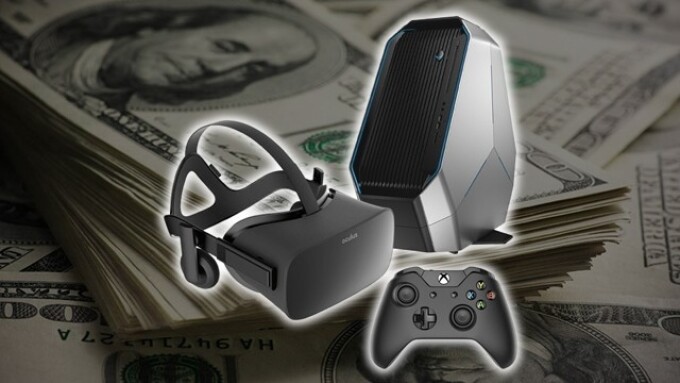
Take for example the near $3,200 Oculus Rift and Alienware Area 51 series package offered by BestBuy — a system beyond the reach of many consumers who are simply trying to satisfy their curiosity over the emergence of the virtual realm. This type of reality isn’t virtual, it’s actual, and a rude awakening for those who invest $600 to $800 in a new headset, take it home, plug it in, and expect the magic to flow.
“That new Rift or Vive takes one look at your computer and laughs. Why? They’re just not compatible,” Ackerman says. “And if you’ve got a Mac, forget it.”
At this point, the price for VR now includes the cost of a new high-end PC that has enough power to meet the VR device manufacturer’s minimum requirements.
“The first thing to remember about VR is that the new headsets require a desktop computer. That's right, I said desktop,” Ackerman notes. “With a small handful of expensive exceptions, even a brand-new gaming laptop doesn't have graphics hardware powerful enough to run a VR headset.”
Some early adopters may opt for the least expensive entry-level option, but this is a mistake.
“You don’t want to buy a high-end headset and then get something cheap to power it,” Origin PC CEO Kevin Wasielewski says. “It’s like [thinking] ‘Let me buy this super-nice Porsche, but let me get the slowest possible engine.’”
“I look nice in my Porsche,” Wasielewski adds, “but I’m driving 20 miles an hour.”
HP VP Mike Nash agrees, explaining that “If you don’t get the performance right, you can actually get kind of nauseous because you’re getting an experience that is not fluid.”
“The whole thing about virtual reality is, your eyes and the device are playing a trick on your brain,” Nash says. “If you don’t execute that trick pretty flawlessly, it can make you a little bit motion-sick.”
As the technology matures and market acceptance begins to draw down prices, VR will become more commonplace and cost-effective. In the meantime, cost is a major wedge between the entry-level smartphone systems and dedicated platforms — with one bright spot for adult content marketers being that by targeting headset users, you’re targeting consumers with disposable income, and a shiny new toy they’ll want to use — and one of those uses will be to view premium quality VR porn.