



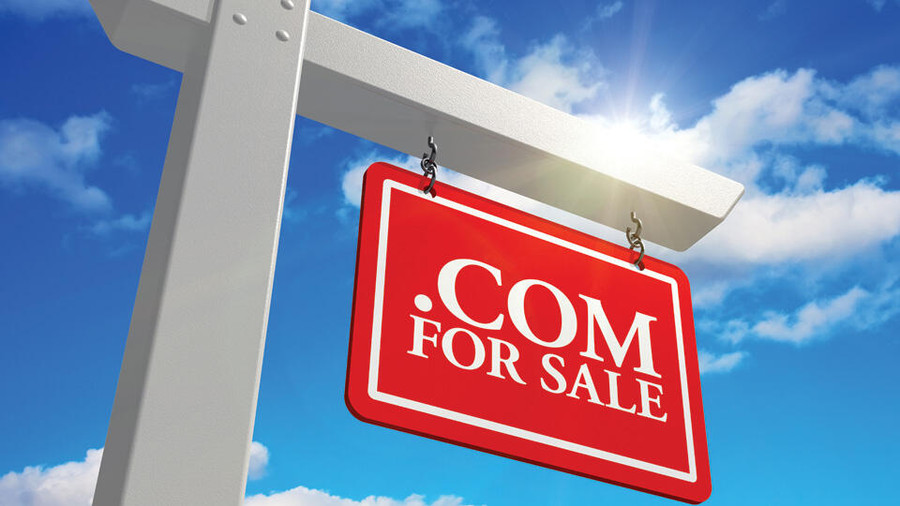
All the good domains are taken, and they have been for years.
Years ago, it was possible to grab a handful of domains, throw up some simple content, link them all together and accumulate converting organic traffic. Once this became known it wasn’t long before adult companies were grabbing them by the thousands.
Quality pre-owned domains are out there and can be used to get a head start over new competitors in adult, or any other industry you happen to operate in.
Software to help generate every possible keyword variation was free and easy to use and buying in bulk was cheap. Because of this, it’s become more viable to turn to pre-owned domains.
While registering a new domain allows you to start with a blank slate, from the standpoint of domain authority and reputation, used domains come with potential upside and downside stemming from the site’s past operations.
In some cases, a pre-owned domain may have racked up Google penalties or participated in mass link trades (very common in recent years) that makes it less valuable. In other cases, a domain may have quality backlinks in place along with a high domain authority and ranking, making it more valuable.
So how do you research pre-owned domains to determine if they’re safe?
Check the Domain’s History
Looking into the history of the domain is essential to determine what you are getting. Older domains can have higher levels of trust and authority than newer ones, given that they have had more time to gain value, but they have also had time to gain negative marks as well. As a first step to determining what effect a domain’s previous history has on its value, investigate how the previous owner used the domain.
You can check Whois data for some of this information. Paid sources such as Domain Tools offer detailed Whois historical data. A free option that shows when a website was initially crawled is the Wayback Machine, which also allows you to search for snapshots of web pages archived from 1996 to within a few months of the present date. Viewing old pages of a website enables you to get a feel for how it was used in the past.
Check the Domain’s Backlinks
A domain’s worth is partly dependent on its backlinks. When evaluating the purchase of a pre-owned domain, you should check any backlinks connected with the domain prior to purchase. Note that the backlinks associated with a domain can be dropped from the domain after it has been purchased.
To evaluate whether this is likely to happen, use tools like Ahrefs that show a domain’s backlinks. Once you have determined which backlinks seem likely to stay, you can project the value of a domain by estimating its trustworthiness on the basis of the websites linking to it.
If a domain has questionable backlinks it might be penalized, making it near impossible to successfully rank in the future. A tool like Screaming Frog enables you to check as many as 500 URLs for free. This allows you to audit the links associated with specific URLs to check for any spammy site links.
Look Into Domain and Page Authority
A high domain authority (DA) represents a better chance of ranking highly in search engine rankings pages (SERPs). The measure, which was developed by Moz, models a site’s likely performance in Google SERPs to help calculate DA.
The formula used by Moz is closely held, but is believed to use a site’s backlinks as a major factor in computing DA. You can use this figure to compare the website you are thinking of buying against other industry sites to see how it stacks up. You can also look at the page authority (PA) ranking for specific pages on a site, which measures their anticipated SERPs status. Sites with high DA or PA are likely to be worth more than ones with lower ratings.
Another issue to look into if you are purchasing a pre-owned domain is the industry or niche orientation of the website. If your goal is to use the domain you are purchasing to link to a site or sites focused on a particular niche, check to see if the used domain operated in the same or a similar niche.
Contextual links play a part in determining Google SERPs, so checking the domain’s anchor text profile via a tool such as Ahrefs is recommended when trying to determine how valuable the pre-owned domain will be in crosslinking efforts. If the site you are buying has a DA below your current site, you will need to budget time to undertake SEO efforts to boost DA.
See If Any Google Penalties Exist
To help determine if an expired domain has incurred any Google penalties, check to see if any pages from the domain have been indexed. If there are no pages indexed from the domain, this could be a sign that the site was penalized by Google. If you encounter a de-indexed domain, use the methods covered in this article to take a deeper look into the site’s current status.
Check Google Search Console, Google Analytics and Bing Webmaster Tools
Being able to view a site’s Google Search Console can be very helpful in evaluating the condition of a domain you are thinking of purchasing. Ask the current domain administrator for access if necessary.
When you are able to view the Search Console, check Manual Actions in the Search Traffic section and see if any notes have been added to the account. The Security Issues section is also worth checking for any signs that the domain may have been hacked at some point.
Checking the domain’s Google Analytics (GA) data is also worthwhile if you have access to it. GA can reveal any issues with unusual patterns of visitor traffic or links to URLs. Referral traffic also shows up in GA and can be checked to determine if any spammy sites are sending traffic to the domain.
Another source for relevant information on a domain is Bing Webmaster Tools. You can check the Security section to see if any alerts have been issued in regards to phishing attempts, malware, or the status of the domain’s SSL certificate.
Another area to check is the Page Traffic report found in the Reports & Data section, which provides data you can use to analyze the status of the domain’s main landing pages.
Look For Email Spam Blacklisting and Spam Serps
A domain is subject to blacklisting if it is designated as a source of spam emails. This can lead to the blocking of the IP address of the site’s email server.
To look for spammy or otherwise questionable landing pages associated with the domain, you can check the search operator of the site at site:yourwebsite.com to run the search on Google and you can run the domain through tools like MX Toolbox to check if it’s been blacklisted.
After Buying A Pre-Owned Domain
Once you’ve found a clean domain and completed the purchase, it’s sometimes beneficial to continue ramping up the domain’s value before redeveloping it.
If it has existing quality backlinks and was an expired domain consider using the Wayback Machine to grab copies of the pages that used to be on it, even if to retain value while you develop the new website.
You can also build new value by going through the backlinks of all the backlinks in attempt to get more (an option which might not be available once you redevelop the domain).
Finding quality domains can be challenging, even when looking at pre-owned domains. But quality pre-owned domains are out there and can be used to get a head start over new competitors in adult, or any other industry you happen to operate in.
Adrian “Yo Adrian” DeGus is a 15-year adult industry veteran and founder of AdultSEOPartners.com, a professional adult SEO agency catering to large established adult sites. DeGus, who has provided advanced consulting services to many leading sites in the adult industry, also operates Adult SEO Training, a popular service that helps webmasters, program operators and affiliate managers to learn in-house SEO.



