



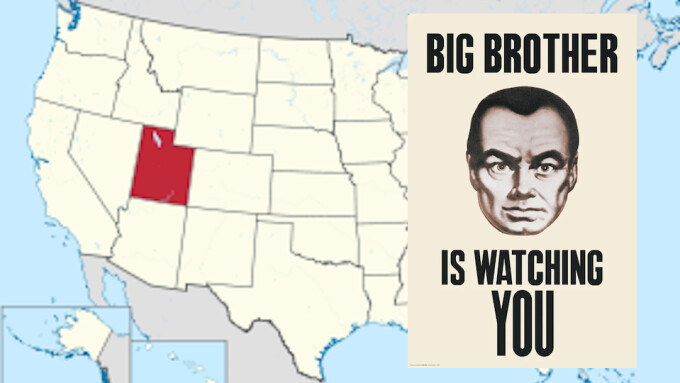
SALT LAKE CITY — The state of Utah on Monday released its first proposed rule to regulate how social media platforms verify the age of their users in the state.
The Division of Consumer Protection, part of Utah’s Department of Commerce, submitted the rule in preparation for implementation of the state’s Social Media Regulation Act, set to take effect March 1, 2024.
According to Republican Gov. Spencer Cox’s administration, acceptable methods of age verification online include: “validating and verifying mobile telephone subscriber information; using dynamic knowledge-based authentication consistent with the method approved by the Federal Trade Commission (FTC); estimating a current account holder’s age based on the date a Utah account holder created the account; checking a current or prospective account holder’s Social Security number’s last four digits against a third-party database of personal information; estimating a current or prospective account holder’s age using facial characterization or analysis; matching a current or prospective account holder’s verified government-issued identification to a live webcam photo or video of the person, or to the person who is physically present; and other forms of digital credentials.”
According to local press reports, the rule has yet to be finalized, and members of the public can comment on it through Feb. 5, 2024 via a government website.
A public hearing on the rule will be held in the Senate Building on Nov. 1.
Cox stated that these proposed rules “ensure that social media companies prioritize the safety and privacy of Utah’s youth while allowing them the flexibility to select methods that best meet their needs.”
Utah’s Social Media Regulation Act expands the age verification requirements that the state first mandated for adult sites to every social media platform.
Utah has often led other states in implementing anti-porn legislation. In practice, the state has little separation between church, state, press, education and business, and the Mormon church — to whicha majority of Utahns claim affiliation — has resisted scientific, evidence-based and parents-focused approaches to discussing child protection online.
Despite the national GOP’s laissez-faire philosophy regarding most business and regulatory issues, Utah’s Republican officeholders have relentlessly championed blanket mandates when it comes to age verification methods and default manufacturer-enabled filters.



