



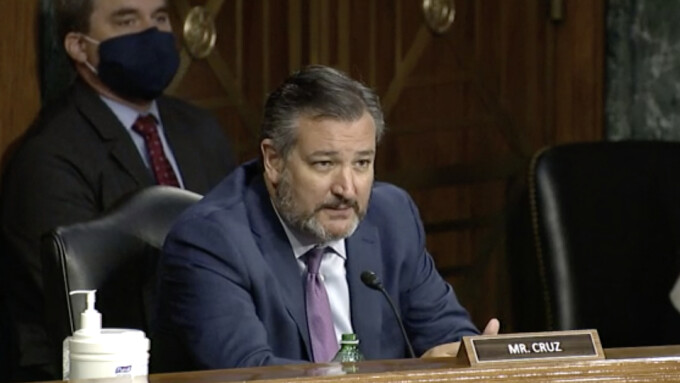
WASHINGTON — This morning, the U.S. Senate Subcommittee on Communications, Technology, Innovation and the Internet held a lengthy hearing on Section 230, assessing the impact of what the committee calls “the law that helped create the internet” and examining proposed reforms to it, particularly the PACT Act.
The hearing began at 7 a.m. (PDT) and continued for almost three hours, chaired by Senator John Thune (R-South Dakota). Many of the senators and witnesses participated via videoconference due to COVID-19 Senate regulations.
The purpose of the hearing was to "examine the important role of Section 230 in promoting and disseminating speech online, and the history, evolution and expansion of Section 230’s protections for online platforms."
It also aimed to “provide an opportunity to discuss ways to ensure platforms are accountable for their content moderation practices and what legislative measures, from transparency to accountability tools, can empower consumers online.”
The experts who were called as witnesses by the Subcommittee included Olivier Sylvain, Professor of Law at Fordham University; Jeff Kosseff, Assistant Professor at the United States Naval Academy’s Cyber Science Department; and Elizabeth Banker, Deputy General Counsel of the Internet Association.
But the star witness was former Orange County Representative Christopher Cox, who was the main author of Section 230 in the mid-1990s. Cox is currently the director of trade association NetChoice.
Cox patiently answered a variety of questions posed by the senators concerning the original purpose and intent behind Section 230. The senators asked about a host of different matters, depending on their particular interests, related to Section 230 and platform liability.
Several GOP senators used the hearing to criticize what they called social media platforms’ “viewpoint censorship” of political opinions.
FOSTA-SESTA was also mentioned as the precedent for bipartisan legislation that had stripped liability protections from platforms in cases of human trafficking. The prosecution of the former owners of Backpage.com — deeply related to the FOSTA-SESTA debate, although predating its signing by a few days — was invoked as an example of judicial confusion around Section 230.
The PACT Act is one of several projects that aim to reform the liability protections of Section 230.
Although there were important disagreements about whether targeting Section 230 was the best way to update the law for the current state of the internet and, as Senator Thune put it, “novel situations where we would like to see justice served,” a consensus between the senators and the witnesses was that the continuing evolution of the internet, AI and algorithms deserves "continued discussion."
This PACT Act hearing also presented a clear, sobering counterpoint to the recent Judiciary Committee hearing chaired by Lindsey Graham to rally support of his EARN IT Act, which would impose onerous compliance regulations on online companies and establish a committee appointed by Attorney General William Barr to police online content.



