



Cyberspace Administration of China Penalizes Platforms for Porn, Other 'Chaotic' Content

Cyberspace Administration of China Penalizes Platforms for Porn, Other 'Chaotic' Content

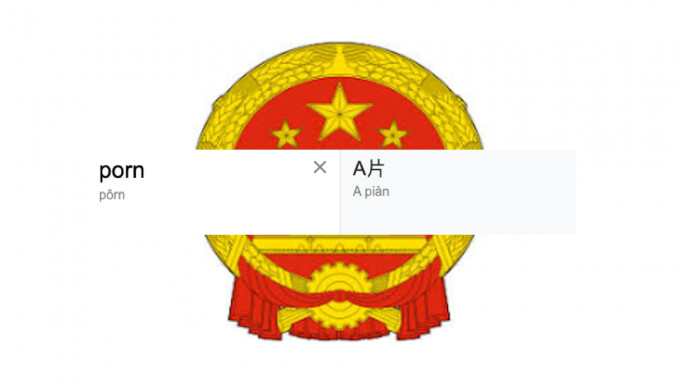
BEIJING — The Cyberspace Administration of China (CAC) announced today it has decided to “punish” 10 livestreaming platforms for "chaotic content,” including “pornography,” “revealing clothing on female cam stars” and "vulgar hot dances.”

Prominent Chinese platforms like Bilibili and iXigua (owned by TikTok’s parent company ByteDance) “have been reprimanded and ordered to suspend new user registration and overhaul their feeds,” according to Agence France-Presse’s China bureau.

“The 10 platforms are required to ‘rectify’ their content and add the most egregious live-streaming offenders to a cross-platform blacklist,” AFP reported.

The CAC, the chief online censorship body in China, accused “some female livestream hosts” of wearing “revealing clothing, while some male hosts used vulgar words and actions, performed vulgar hot dances... called names and other phenomena despite repeated prohibition.”

The CAC conducted an investigation of 31 platforms and accused some of them of “using pornographic content to attract users” and “organizing illegal gambling.”

The CAC accused these platforms of “seriously deviating from the core values of socialism."

Platforms in the U.S. are currently shielded from similar government-led attacks for third-party content by Section 230 of the Communications Act, though both 2020 presidential candidates have asked for the repeal of the so-called "First Amendment of the internet."

Today’s intervention by the Chinese government comes a year after LGBT discussion groups and search terms were removed from Bilibili by the CAC.

More recently police in Zhengzhou arrested a married couple for performing in a livestreamed, role-playing erotic video in the “Fake Uber” genre. Rideshare app Didi Chuxing also sued the couple for defamation.


Copyright © 2026 Adnet Media. All Rights Reserved. XBIZ is a trademark of Adnet Media.
Reproduction in whole or in part in any form or medium without express written permission is prohibited.

More News

Eli Thomas Launches 'VerifiedCollab' Verification Platform

Performer Eli Thomas has launched VerifiedCollab, a verification platform for creators and producers.

House Committee to Weigh Online Safety Bill With Federal AV Requirement

The U.S. House of Representatives Committee on Energy and Commerce will meet Thursday to consider and potentially amend the Kids Internet and Digital Safety (KIDS) Act, which includes provisions to make age verification by adult websites federal law.

SWR Data Publishes 'Creator Income' Report

Adult industry market research firm SWR Data has published a report on creator incomes.

Pineapple Support to Host 'Neurodivergent Performers' Support Group

Pineapple Support is hosting a free online support group for neurodivergent performers.

'Legal Impact' Webinar Unpacks North Carolina's New Consent Law

Industry attorney Corey D. Silverstein on Thursday held a webinar focused on North Carolina’s HB 805, a new law that has significantly altered performer consent requirements in the state.

FSC Launches Privacy-First Age Verification Solution for Members

The Free Speech Coalition (FSC) announced today that it has granted members exclusive access to the PrivateAV age verification solution.

Brazil: New AV Requirements Set to Take Effect March 17

President Luiz Inácio Lula da Silva this week gave final approval to new regulations requiring adult websites to age-verify users located in Brazil starting March 17.

FSC Recommends Platforms Integrate StopNCII.org Tool

In a blog post, Free Speech Coalition (FSC) has recommended that platforms integrate the StopNCII.org tool to prevent the sharing of non-consensual intimate imagery (NCII).

Utah 'Porn Tax' Bill With VPN Provisions Passes State Senate

The Utah state Senate has passed a bill that would impose a 2% tax on the revenues of adult websites doing business in that state, and make sites liable if Utah minors use VPNs to circumvent geolocation.

Show More


