For most of the world, this March marked the one-year anniversary of COVID- 19 changing life as we all knew it. Lockdowns went into effect statewide, European nations closed their borders, and many businesses were forced to shut down. A year later, with virus case numbers decreasing and vaccines being steadily distributed, life is slowly returning to some type of “normal,” but many businesses are still experiencing the lingering effects of a worldwide pandemic — including adult manufacturers, distributors and brick-and-mortar retailers.
Supply Chain Disruptions
Some of these [product] substitutions wind up being a big hit with consumers, and a line that might not have gotten a chance in a store now becomes a new bestseller.
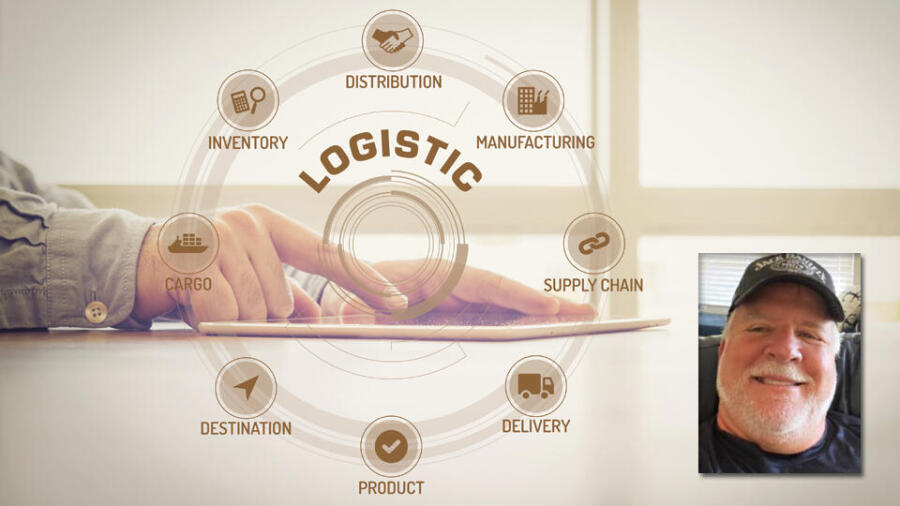
For vendors/manufacturers, the supply chain is a crucial part of doing business, as most goods are made in Chinese factories, then shipped to the vendors in the U.S., Europe and other parts of the world. A majority of vendors get their goods by container ship, as it’s a much more cost-effective method than paying air freight.
Containers, however, have grown scarce. Goods that would normally be shipped by air — like iPhones — are being diverted to containers. And as containers are considered a surplus item for China usually, that’s saying something.
The sudden mass shutdowns last year created a chain reaction — container ships arrived into their destination ports, but shelter-in-place orders prevented actually delivering the containers where they needed to go. So cargo ships were stuck in port, unable to unload full containers and take on empty ones to be returned, and everything bogged down from there. And because of the scarcity, prices are rising steadily. Container shipping prices have almost doubled since the fall of 2020.
And this is just one small part of the supply chain.
Material costs are rising, which makes products more expensive overall. Transportation costs beyond ocean- and air-freight are also increasing, as equipment like chassis and trucks are also in short supply, and space is at a premium.
All of this adds up to an increase in costs and delays in getting product out to customers.
Increased Number of Backorders
From late spring of last year until probably around early December, distributors were facing unprecedented numbers of backorders. Strictly speaking, no one really could have prevented the backorder issue that occurred this past summer. First, the abrupt shutdown that caused the container shortage caught much of the world off guard.
Second, no one expected that the spring and summer months would see unprecedented sales through ecommerce channels. Once brick-and-mortar stores opened in late spring/early summer, they had enormous growth in sales as well. Normal forecasting simply didn’t work; the pandemic skewed all the numbers. Manufacturing orders to China were delayed due to factories being shut down, short staffed and having limited hours.
Simply put, demand outstripped supply, and vendors have been playing a game of catch-up that is only slowly closing the gap. With the rising costs of getting goods from China to destinations like the U.S., and the continuing shortage of containers, it will be some time until things go back to normal and the backlogs of orders are fulfilled.
Finding Substitutions
For distributors, the backorder situation means that a lot of bestselling products are not getting out to retail stores. Retailers who normally only purchased from one or two specific distributors are now buying from other distributors, as the availability of product fluctuates from one source to another.
But empty shelves don’t pay bills, and retailers have to turn to substitutions in order to have products to offer their customers. Finding substitutions takes time as one has to comb through pages upon pages of a distributor’s offering, hoping to find something similar to a bestselling product.
This isn’t completely a bad thing, though. Some of these substitutions wind up being a big hit with consumers, and a line that might not have gotten a chance in a store now becomes a new bestseller. So this is more an issue that also happens to have a silver lining — for some vendors anyway, that is.
Personnel Shortages
And finally, one of the most persistent issues brought about by the pandemic? Staff and personnel shortages. With stimulus checks being handed out by the government, a lot of people who were laid off last year decided they didn’t need to return to work — which left businesses short-staffed.
In a small brick-and-mortar store that only has a handful of employees, losing just one person puts a big strain on the rest of the employees, and finding — and training — replacements is not always easy.
Virtual vs. In-Person
The pandemic is not over, but we are all getting used to a “new normal,” whatever that might ultimately wind up being. The issues facing the adult industry are all part of that “new normal,” and though we miss traveling, trade shows, and engaging face-to-face with our customers without having to worry about the virus, we have adapted to the changes the last year has wrought, and will continue to do so long into the future.
One of the most positive things to have come out of living in a locked-down world is the way the adult industry embraced an entirely new way of doing things. Zoom meetings, virtual trade shows, educational video content and live streaming sessions brought us into the 21st Century. Social media has become our new playground, where manufacturers, retailers and distributors can connect through groups like P3 and SPAM.
As an industry, we have become more inclusive, and though we might still face challenges, we will do so together, just as we always have. Gotta love what we do!
Bob Pyne Jr. is the president and CEO of Williams Trading and its affiliates. He started working with the founder of the company, his father Robert Pyne Sr., in June of 1996.