



opinion

The Skinny on the New DMCA Requirement

The Skinny on the New DMCA Requirement

The requirements under the Digital Millennium Copyright Act (DMCA) have changed, but the sky is not falling.

We have, even as a law firm, been hit with an unbelievable amount of spam sent out by law firms screaming that we need to run to them, immediately, to hire them to help with these changes — lest we suffer ruinous consequences.

You could find yourself liable for significant damages if you fail to comply with the new regulations.

To that we say “chill out.”

Nevertheless, you should be concerned about this. You could find yourself liable for significant damages if you fail to comply with the new regulations.

However, the new regulations are so easy to comply with, you should only need a lawyer to help you with them if you really like wasting money.

What is new?

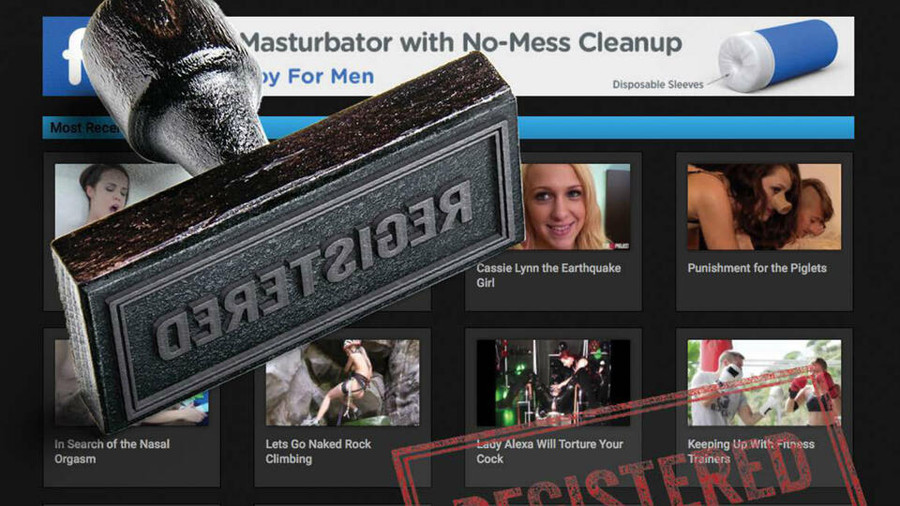
On Dec. 1, the Copyright Office did away with the old system of designated agents for the receipt of DMCA notices with a new electronic system. Even if you previously registered one, you must re-register prior to Dec. 31, 2017.

If you fail to do that, you will lose any safe harbor protection you might currently enjoy. You will also need to renew your DMCA agent every three years. There are other minor changes, such as a broader category of agents that are permitted, and the fee is only $6 for designation, amendment or renewals.

Why do you care?

The DMCA immunizes online service providers from liability for any copyright infringement committed by a third party. Therefore, if you have a website that allows user-uploaded content, you must have a DMCA agent, or you may as well not operate at all.

If you have a blog where you allow user comments, you still might want one. Even if you have a website that does not seem to fit the DMCA mold, you are foolish not to register a DMCA agent. When you consider that it is a short process and $6, why would you not want to at least create the argument that you have DMCA immunity if there is a copyright infringement claim against you?

Of course, the DMCA requires more than mere registration. If you get a DMCA notice, youwill need to take down the allegedly infringing material “expeditiously” or you stand in the shoes of the original infringer.

You can’t directly profit from the infringement, and there are other requirements as well. But, step one is making sure you have a DMCA agent. So, get on that right now!

What to do?

I would love to tell you that you should urgently run to a law firm for assistance. But, to be honest, you don’t need to. The process is very simple. If you can shop online, you can handle this yourself.

Just go to https://www.copyright.gov/dmca-directory and follow the instructions there. Those will bring you to a form, which you can find at https://bit.ly/2hGtLDf.

The form only takes a few minutes to fill out, and then you are on your way to DMCA protection.

Remember, that won’t be all you need, but it will be the first, and easiest, necessary condition for that protection.

Randazza Legal Group and its managing partner, Marc J. Randazza, have significant experience in intellectual property protection. Randazza has an international law degree in intellectual property studies.


Related:  

Copyright © 2026 Adnet Media. All Rights Reserved. XBIZ is a trademark of Adnet Media.
Reproduction in whole or in part in any form or medium without express written permission is prohibited.

More Articles

profile

Clips4Sale's Christy on Backing Creators and Fueling Growth

Understanding the industry from within goes beyond data. For Christy, Manager of Creator Experience at Clips4Sale, that insight is shaped by front-line conversations and years spent listening not just to trends, but to people.

Women In Adult ·
opinion

Breaking Down AI-Powered Moderation and Platform Safety

Adult platforms, including content sites, cam services and dating apps, consistently face a range of high-risk challenges. These include verifying consent, particularly for user-uploaded content, addressing non-consensual material such as leaks and so-called revenge porn, and ensuring effective age verification and protection for minors.

Christoph Hermes ·
opinion

How to Optimize Subscription Billing for Compliance and Stability

The Federal Trade Commission’s “click to cancel” rule is coming back around. Last year, a federal appeals court vacated the FTC’s Negative Option Rule, aimed at addressing deceptive or unfair practices and making it easier for consumers to cancel online subscriptions.

Jonathan Corona ·
opinion

Key Strategies for Streamlining Payment Processing Approval

Why is it taking so long to get my account approved? It's frustrating for everyone involved, but it's all part of the process. Over the past year, timelines have stretched to 60 days or more for merchants to complete onboarding, from internal compliance review to banking partner approval and final card brand registration.

Cathy Beardsley ·
opinion

What to Know About Alabama's Regulatory Push on Adult Content

Over the past two years, Alabama has quietly but aggressively transformed itself into one of the most restrictive and unfriendly jurisdictions for the adult entertainment industry. Through the enactment of House Bill 164 and related enforcement mechanisms, the state has layered taxation, compliance burdens and content restrictions in a way that goes far beyond traditional regulation.

Corey D. Silverstein ·
profile

Chaturbate's Emely Zuniga Talks Show Floor Magic and Creator Care

During industry events, you’ll likely find Zuniga gliding through the room, greeting creators, checking details and making sure everyone around her feels taken care of. With her colorful red hair, perfectly done nails and an easygoing, “work bestie” demeanor that instantly puts people at ease, she thrives in the fast-paced environment of conferences and trade shows.

Jackie Backman ·
opinion

What to Know About Deepfakes, Likeness Rights, and Digital Consent

AI is reshaping virtually every sector of the global economy, and the adult industry is no exception. Many adult companies have already explored or adopted AI in content production, and surveys indicate that around 65% have considered implementing AI technologies in their operations.

Christoph Hermes ·
opinion

Key Strategies for Adapting to Stricter PCI Compliance Standards

When it comes to PCI compliance, the days of simply filling out some paperwork and answering a few questions are gone. A casual approach is just not viable anymore.

Jonathan Corona ·
opinion

How to Maximize Value From Your Payment Processing Fees

Regulatory requirements are putting more and more pressure on the adult industry. To stay compliant, merchants need tools that help with content moderation, age verification and fraud solutions. Unfortunately, the fees for those tools are hitting merchants’ bottom lines — including fees charged by payment services providers.

Cathy Beardsley ·
opinion

Understanding Sin Taxes and the Legal Roadblocks Ahead

As of this writing, a bill sits on the desk of Utah’s governor, awaiting his signature to make it state law. That bill includes a provision imposing an excise tax of 2% on adult sites operating in the state.

Corey D. Silverstein ·
Show More

